Call Us Now: 504-732-9714
Call Us Now: 504-732-9714

Caring for live oak trees in New Orleans means pruning during the dormant season (late fall through early spring), protecting the shallow root zone with 2 to 4 inches of mulch, and making sure drainage is adequate for the region’s heavy subtropical rainfall. Because the City of New Orleans has a Tree Protection Ordinance that governs work on trees in the public right-of-way, and because mature live oaks can grow to enormous size, a certified arborist should handle any significant pruning, structural work, or storm damage on these trees.
Live oaks (Quercus virginiana) are as much a part of New Orleans as its music and food. These trees form the canopy arching over St. Charles Avenue, shade the sidewalks of the Garden District and Audubon neighborhood, and anchor the grounds of City Park, which is home to the largest collection of mature live oaks in the world. Some of the City Park oaks are estimated to be between 750 and 900 years old.
Beyond their cultural weight, live oaks do real environmental work. Their wide canopies reduce heat, absorb stormwater, and buffer strong winds, which matters enormously in a city that faces direct hurricane threats every summer. Spanish moss drapes their limbs across almost every historic block, creating the signature visual of old New Orleans. These are not ornamental trees you swap out when they get inconvenient. They are irreplaceable.
That permanence is why proper care is worth understanding. Whether you have a young live oak in your backyard in Gentilly or a 200-year-old specimen shading your Garden District property, the basics of keeping it healthy are the same, and the consequences of getting it wrong are serious. Big Easy Tree Cutting works with New Orleans homeowners every season to keep these trees healthy and structurally sound.
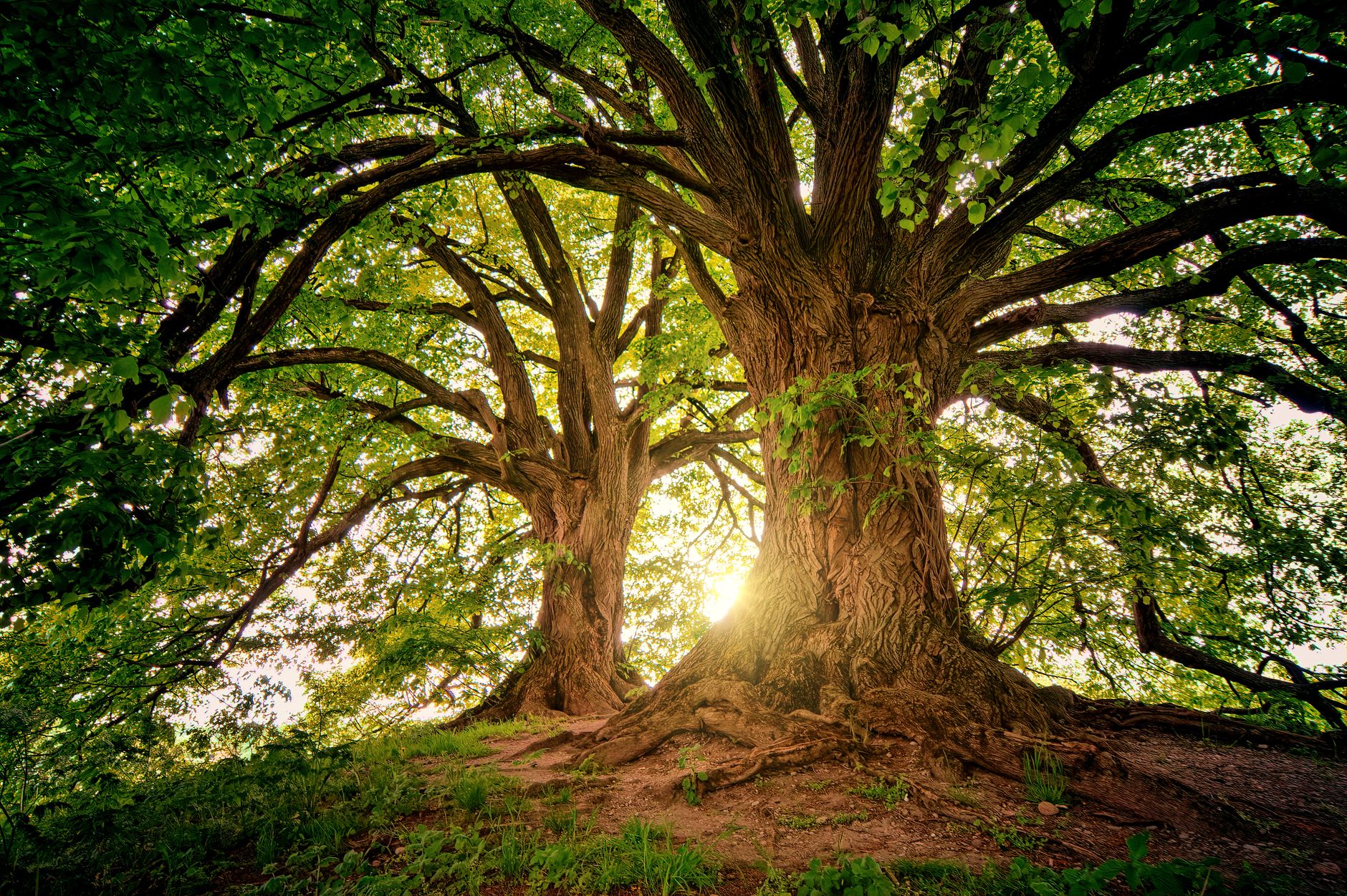
Good live oak care in New Orleans comes down to four things: pruning at the right time of year, protecting the root zone, managing drainage, and watching for early signs of disease or structural stress. Get those four right and a live oak will thrive for generations.
Quercus virginiana is a remarkably resilient species, but it does have specific needs. The root system is wide and shallow, often extending far past the drip line of the canopy. Compacting the soil over those roots, whether from foot traffic, construction, or paving, weakens the tree from the ground up. A 2 to 4 inch layer of organic mulch spread across the root zone (but pulled back a few inches from the base of the trunk) helps retain moisture, moderate soil temperature, and protect surface roots.
Watering needs change with tree age. Young live oaks, say anything under five years old, benefit from deep watering once a week during dry stretches. Mature trees are generally drought-tolerant once established, but Louisiana’s sporadic dry spells in late summer can still stress them. The bigger risk in this region is actually the opposite: poor drainage and standing water after heavy rain promote root rot, which can be fatal. If you notice water pooling around the base of your tree after storms, that is worth addressing sooner rather than later.
For pruning timing, late fall through early spring is the window. The LSU AgCenter recommends pruning between November 1 and March 31 to reduce disease transmission risk and to avoid attracting beetles that carry fungal pathogens when the tree is actively growing. Pruning during the spring and summer growth surge is not just suboptimal; it can open fresh wounds to pathogens when the tree is least able to defend itself. Read more about the best time to trim trees in New Orleans to plan your schedule around the local climate.
Most mature live oaks in Louisiana benefit from structural pruning every three to five years. Younger trees may need lighter attention every one to two years to establish good branch structure early. The goal is never to remove large amounts of foliage at once, but to guide the tree’s growth and clear deadwood before it becomes a hazard.
Over-trimming is a real risk. Removing too much of the canopy in a single session stresses the tree, reduces its ability to photosynthesize, and can trigger weak, fast-growing sprouts called water sprouts that are structurally inferior to normal branches. Topping, which involves cutting back the main leaders of the tree, is especially damaging and is never appropriate for live oaks. If a contractor recommends it, that is a red flag. The post why you should never top a tree breaks down exactly why that practice causes lasting harm.
For an annual maintenance rhythm, a light inspection in late fall, before the dormant pruning season begins, is a good habit. Look for crossing branches, deadwood, or any limbs that have grown toward the house or power lines. Addressing small issues on a regular cycle is far less disruptive, and far less expensive, than waiting until a large limb fails. See our guide on how often to trim trees in Louisiana for a complete seasonal breakdown.
Ready to schedule a pruning? Contact us for a free estimate, or call (504) 732-9714.
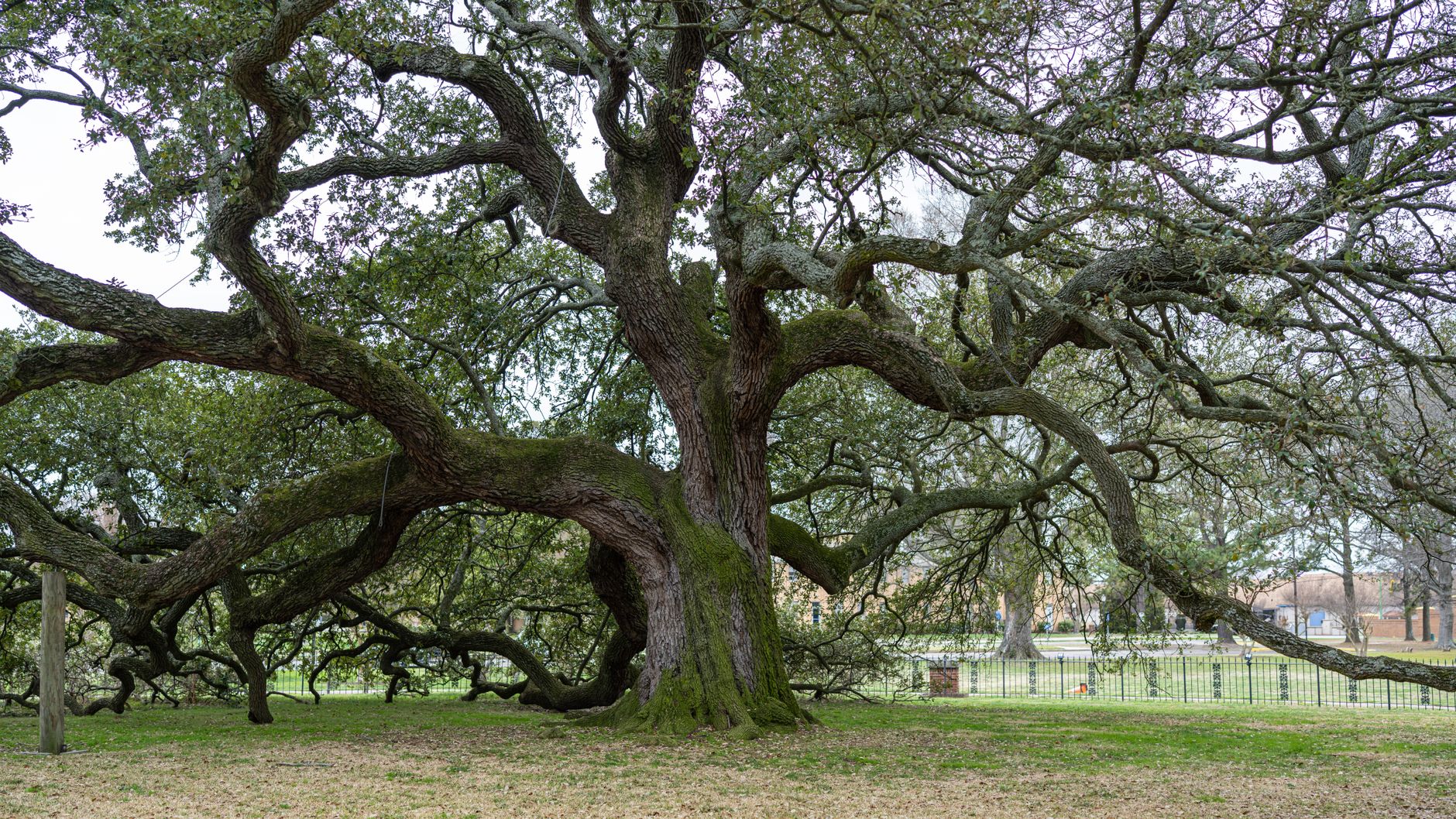
Watch for canopy thinning, yellowing or early leaf drop, dead upper branches, fungal growth at the base of the trunk, and large sections of peeling or discolored bark. Any one of these signs can indicate a problem that is much easier to fix if caught early, before structural integrity is compromised.
Live oaks do shed leaves, but they do it quickly in late winter and replace them almost immediately with fresh growth. Persistent yellowing, sparse canopy density, or significant leaf drop outside of that brief transition window are all worth investigating. They can indicate root stress, soil compaction, drainage issues, or the early stages of a fungal infection like oak wilt or anthracnose.
Ball moss is another thing to monitor. It grows on branches in low-light, humid conditions and, while it does not parasitize the tree directly, its presence in large quantities can signal that the canopy is too dense for good air circulation. Heavy infestations can also add weight to already-stressed limbs. Boring insects, including termites and various wood-boring beetles, are also present in south Louisiana and can weaken branch structure from the inside before any external damage is visible.
After any significant storm, a visual inspection of your live oak is worth doing. Louisiana’s hurricane season runs June through November, and even a Category 1 storm can shift root plates, crack large scaffold limbs, or introduce entry points for decay. A complete guide to getting trees ready for storm season is available in the post on tree trimming for hurricane season. If you see any of the warning signs above, do not wait for the next scheduled maintenance cycle. These signs a tree needs trimming should prompt a call to a professional fairly quickly.
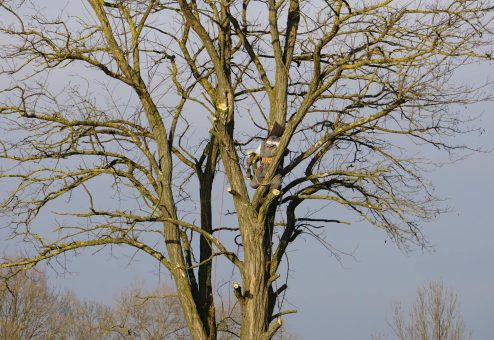
Call a professional arborist any time the work involves climbing the tree, removing limbs larger than two inches in diameter, work near power lines, post-storm structural assessment, or any tree that falls under the City of New Orleans Tree Protection Ordinance. Those situations carry real safety and legal risks that go beyond DIY scope.
The City of New Orleans does have a Tree Protection Ordinance that covers trees on the public right-of-way, including neutral grounds and city sidewalks. Before doing any work on a tree in or adjacent to a public right-of-way, it is worth checking with the city’s Department of Parks and Parkways to confirm whether a permit or approval is needed. Working outside those rules can result in fines, and more importantly, the improper removal of a street oak cannot be undone.
Beyond the legal dimension, live oaks are simply large. A mature Quercus virginiana in the Audubon neighborhood or City Park area can have a canopy spread of 60 to 80 feet and weigh many tons. Work on a tree that size, especially work that involves cutting near the root crown or removing heavy scaffold limbs, requires specialized equipment, rigging skills, and a thorough understanding of tree physics. The cost of a professional assessment is a fraction of what emergency tree removal or property damage repair would run.
Big Easy Tree Cutting offers free estimates for all tree trimming services, including dedicated oak tree trimming performed by experienced crews who know the species and the local conditions. Call (504) 732-9714 to schedule a free on-site estimate.
The best window is late fall through early spring, specifically between November 1 and March 31, when the tree is dormant. Pruning during this period reduces the risk of disease transmission and avoids attracting the beetles that carry fungal pathogens to fresh pruning wounds during the active growing season.
Established live oaks in good soil generally do not need regular fertilization. If a soil test indicates a specific deficiency, a slow-release fertilizer applied in early spring can help. An ISA-certified arborist can assess whether your tree would benefit from a fertilization program based on soil conditions in your specific neighborhood.
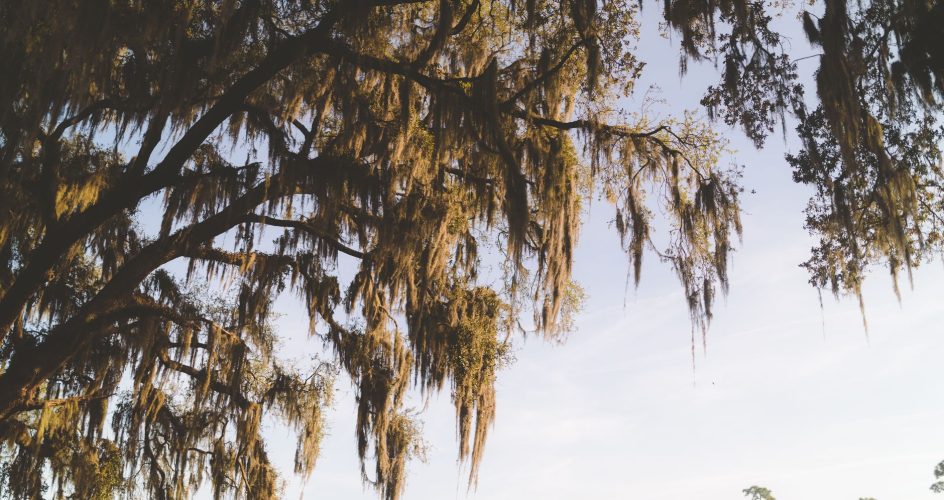
Spanish moss (Tillandsia usneoides) is not a parasite and does not extract nutrients from the tree. It is an air plant that gathers moisture and nutrients from the atmosphere. Very dense accumulations can add weight to weak limbs, but in moderate amounts Spanish moss is simply a harmless and iconic feature of New Orleans live oaks.
Work on trees entirely on private property generally does not require a permit in New Orleans, but trees on or adjacent to the public right-of-way, including neutral grounds and city sidewalks, fall under the City of New Orleans Tree Protection Ordinance. Always check with the Department of Parks and Parkways before removing or significantly pruning a tree in those areas.
Persistent canopy thinning, dead branches in the upper crown, fungal conks growing at the base, large sections of peeling bark, and significant lean that developed recently are all warning signs of serious decline. Any of these symptoms warrant a professional assessment, since some conditions like oak wilt are time-sensitive to treat and spread to neighboring trees if left unaddressed.
Live oaks are living landmarks. Caring for them properly, with the right pruning timing, root zone protection, and early intervention when problems appear, protects both the tree and the property around it. The subtropical climate and hurricane exposure unique to New Orleans make local experience and knowledge a real advantage when it comes to oak tree work.
Big Easy Tree Cutting serves homeowners and property managers across New Orleans and the surrounding area, from Lakeview to the Lower Garden District and beyond.
Our team offers free estimates on all tree trimming and oak care services. Check our service area page to confirm we cover your neighborhood, then call (504) 732-9714 to get started.
 By Admin
  Jul 21, 2026