Call Us Now: 504-732-9714
Call Us Now: 504-732-9714

Tree topping, the practice of cutting main branches back to stubs, is one of the most damaging things you can do to a tree. Despite this, it remains common throughout New Orleans and across the country. Here is why topping is harmful and what you should do instead.
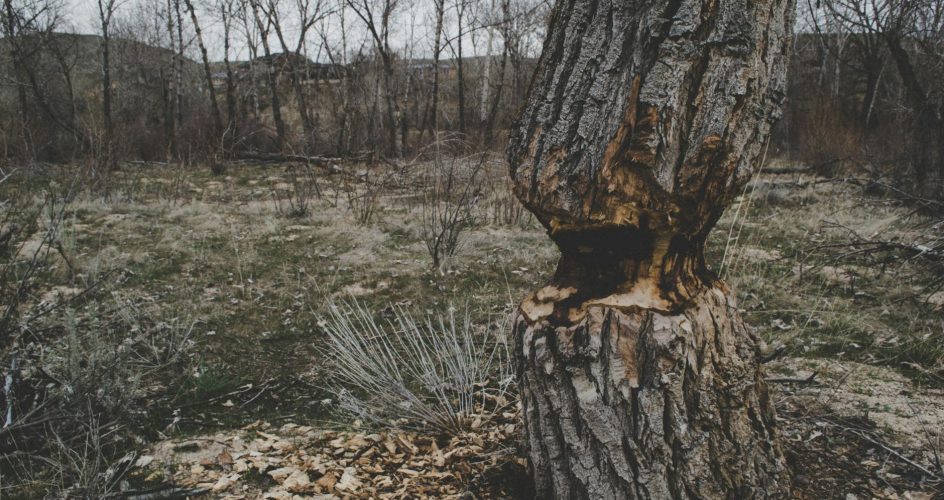
Topping (also called heading, hat-racking, or rounding over) involves cutting large upright branches between lateral branches, leaving stubs. The result is a tree that looks like it has been given a flat-top haircut, with no foliage left above the cuts.
Homeowners typically top trees because they:
While these concerns are valid, topping is not the solution. It actually makes every one of these problems worse in the long run.
Removing 50 to 100 percent of a tree’s leaf-bearing crown eliminates its food source. Leaves produce energy through photosynthesis. A topped tree is literally starving and must use emergency energy reserves to survive.
The sudden exposure of interior tissues to direct sunlight causes scalding of bark and cambium. This can kill large sections of the remaining branch structure, especially in New Orleans’ intense summer sun.
A topped tree responds by producing dense clusters of fast-growing sprouts called water sprouts or epicormic shoots. These are attached only to the outer layer of the stub, not embedded deep in the wood. They grow rapidly but are structurally weak and far more likely to break in storms than the original branches.
Large topping cuts create wounds too big for the tree to seal before decay organisms enter. Rot travels down the stubs into main branches and the trunk. Within a few years, a topped tree often has extensive internal decay that compromises its entire structure.
Ironically, people often top trees to reduce storm risk. But the dense, weakly attached regrowth that follows topping creates a far more dangerous situation. Topped trees in hurricane zones regularly produce large broken branches because the new growth is structurally inferior to what was removed.
A topped tree never regains its natural form. The stubby, disfigured silhouette and unruly regrowth look far worse than the original tree ever did. This lasts for the remaining life of the tree.
Because topped trees grow back rapidly with problematic structure, they need more frequent maintenance to manage the regrowth. Over time, repeated topping leads to decline and eventual removal, which costs far more than proper pruning would have.
If your tree is too large, there are proper alternatives:
Need to reduce your tree’s size safely? Call Big Easy Tree Cutting at 504-732-9714. We use proper techniques that keep your trees healthy and structurally sound.
Yes, absolutely. Any company that recommends topping is not following industry best practices. Reputable arborists certified by the ISA will never suggest topping. Get a second opinion from a certified arborist who can recommend proper alternatives like crown reduction or thinning.
Partial restoration is sometimes possible through careful selective pruning of the sprout regrowth over several years. However, the tree will never fully regain its natural form, and the internal decay caused by topping cuts cannot be reversed. Prevention is always better than restoration.
No. There is no situation where topping is the recommended practice. For any goal a homeowner might have, including size reduction, light improvement, or storm safety, there are proper arboricultural alternatives that achieve better results without the damage topping causes.
 By Admin
  Feb 7, 2026