 By Admin
  Jul 24, 2026
 The Crown: More Than Just Leaves
When arborists talk about a tree’s crown, they mean the entire upper structure: the main scaffold branches, secondary limbs, smaller lateral shoots, and the foliage that hangs from all of it. The crown is where the tree does its most important biological work. Leaves convert sunlight into energy through photosynthesis, branch tips produce new growth, and the whole structure acts as a living filter that manages wind load across the trunk and root system.
A healthy crown is not simply a large crown. A tree that has grown without guidance for many years can develop a canopy so dense that sunlight barely reaches the inner branches, air stagnates between the limbs, and competing shoots crowd each other to the point of structural weakness. That is where Big Easy Tree Cutting comes in, because thinning that canopy is exactly the kind of precision work that separates arborist-level care from basic yard maintenance.
Understanding what crown thinning actually involves, and why it matters, helps you make smarter decisions about the trees on your property before a problem becomes an emergency.
What Crown Thinning Actually Removes
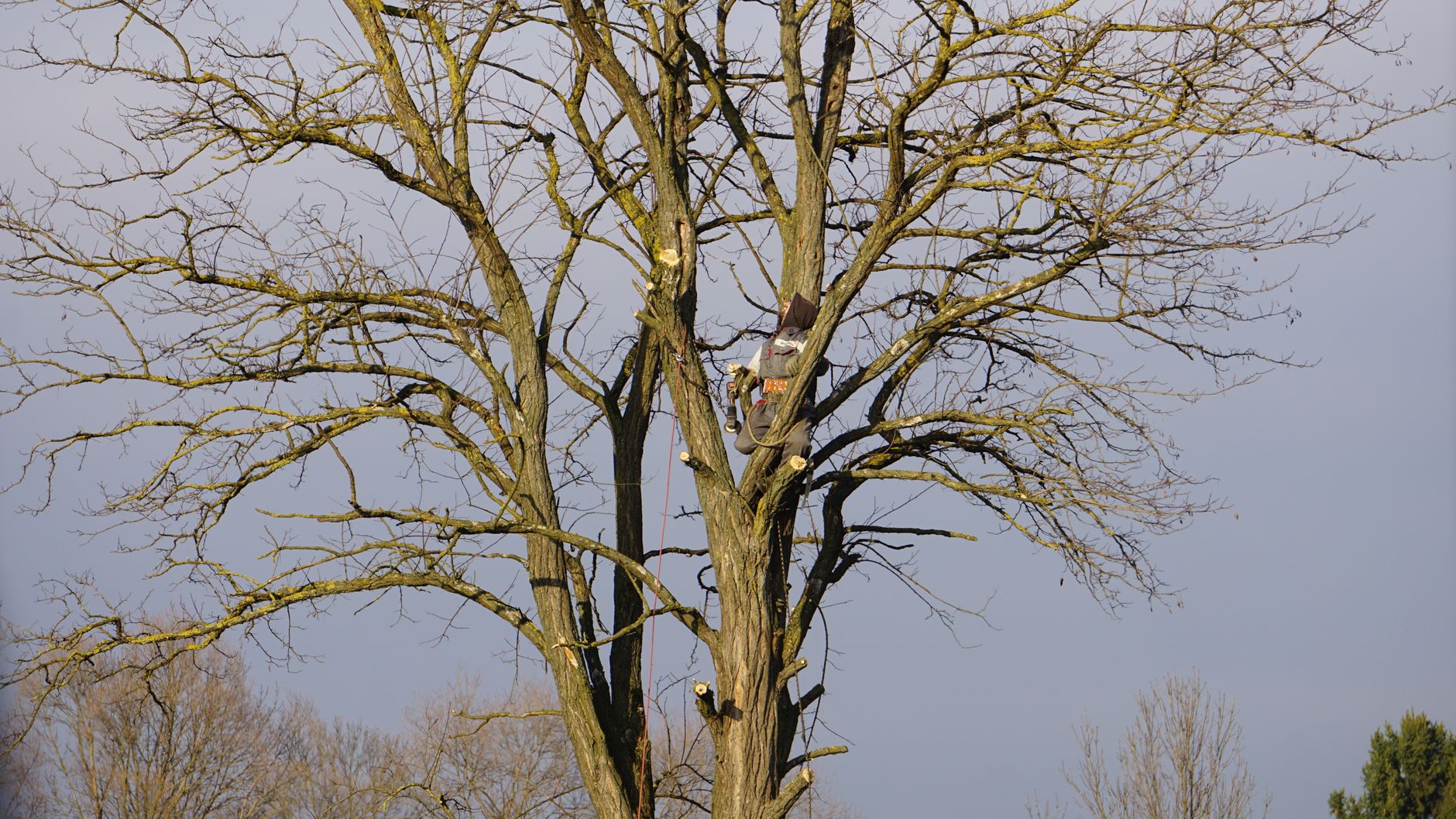
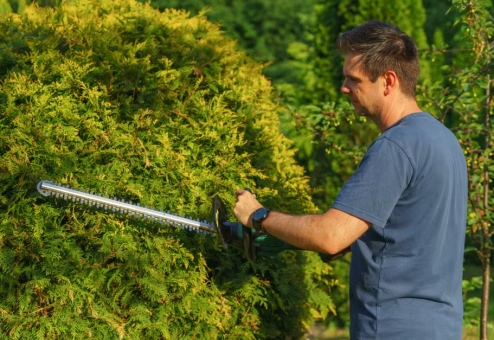
Crown thinning is not about hacking back the outer edges of a tree or lowering its height. It is a targeted, interior process. A certified arborist works through the entire canopy and selectively removes a defined category of branches, typically keeping total removal under 25 to 30 percent of live canopy in a single session, in line with ANSI A300 pruning standards recognized by the International Society of Arboriculture (ISA).
The branches removed during crown thinning generally fall into these categories:
- Crossing and rubbing branches: Two branches growing toward each other will eventually wound each other’s bark, creating entry points for decay and insects. One must go.
- Water sprouts and epicormic growth: Epicormic shoots are fast-growing, weakly attached shoots that emerge from latent buds on the trunk or major limbs, often after stress. They drain the tree’s energy and rarely develop into structurally sound wood.
- Narrow-angled co-dominant stems: Branches with tight, V-shaped crotches create included bark, a compressed layer of bark trapped between two stems that prevents a solid wood union and greatly increases the chance of splitting.
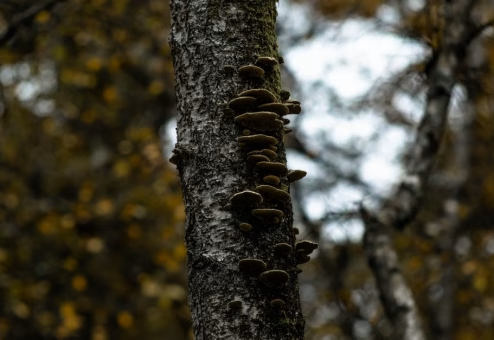
- Dead, dying, or diseased wood: Removing dead material is part of crown cleaning, which is incorporated into any proper thinning job.
- Lateral branches that crowd the interior: Dense clusters of small shoots on the same parent branch compete for light and airflow, and only a few will ever develop into healthy secondary limbs.
Done correctly, the crown looks virtually the same from the street afterward. The difference is felt from inside the canopy: light filters through, a breeze moves between the branches, and the tree’s weight is distributed more evenly across the remaining structure. To learn how thinning fits into a broader maintenance plan, our post on Tree Trimming vs. Pruning breaks down the key distinctions.
The Real Benefits of Crown Thinning
A denser canopy is not automatically a healthier one. Here is what changes when the canopy density is properly reduced:
Improved Light Penetration
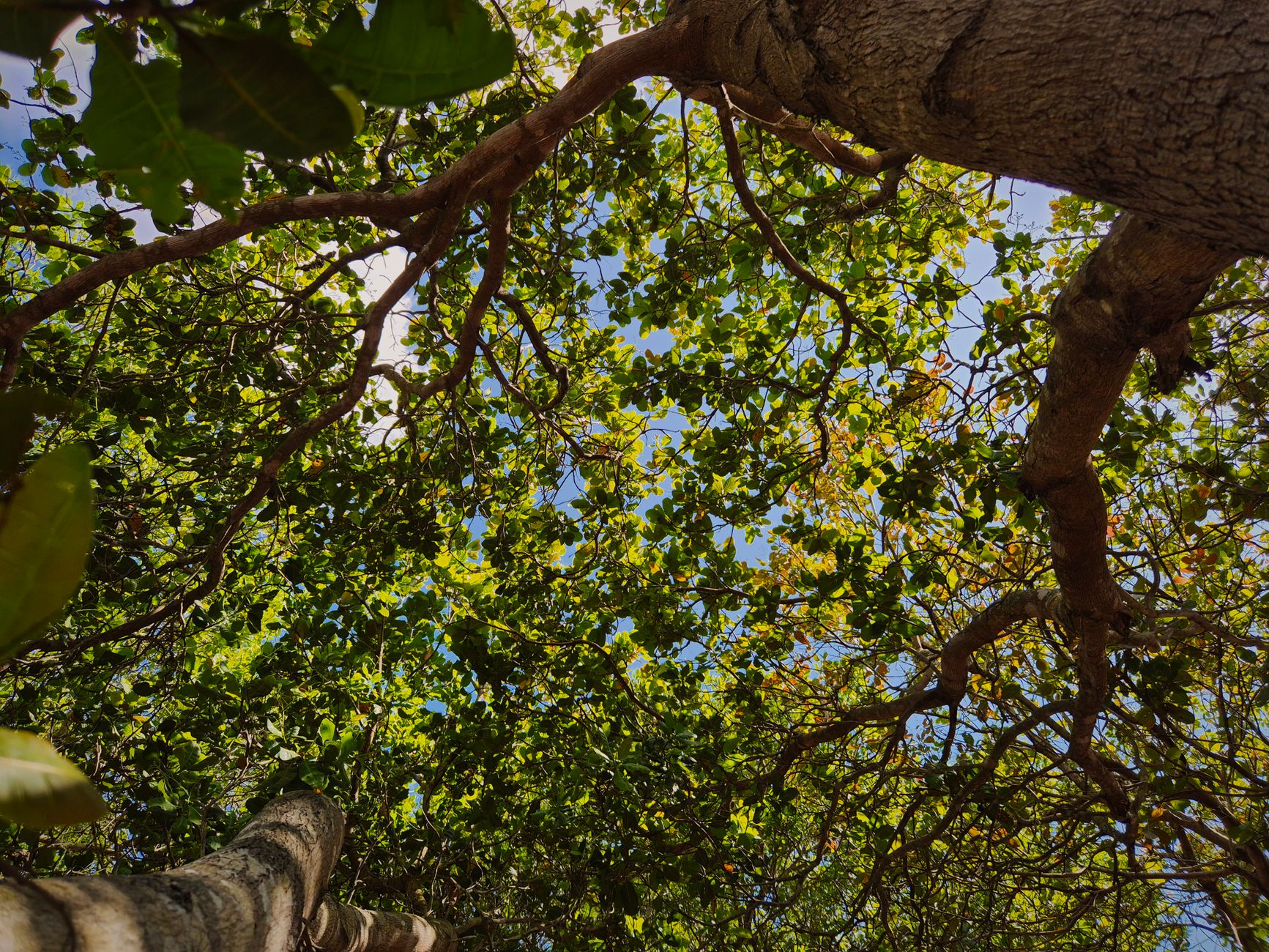
When sunlight reaches inner branches, those branches stay productive. Light also benefits the lawn, garden beds, and any plantings beneath the tree. A heavily shaded understory is often a sign that the canopy above has grown beyond what the tree can efficiently support.
Better Air Circulation
Stagnant, humid air trapped inside a dense canopy creates ideal conditions for fungal diseases, including anthracnose and powdery mildew. Moving air dries wet foliage faster after rain and disrupts the microenvironments that pathogens prefer. In a city like New Orleans, where heat and humidity are facts of life for most of the year, this benefit is especially significant.
Reduced Wind Load and Storm Resistance
A tree with a thick, sail-like canopy catches enormous amounts of wind force during storms. Crown thinning allows wind to pass through the canopy rather than push against it, reducing the mechanical stress transmitted to the trunk and root system. The 8 Benefits of Regular Tree Trimming goes deeper on how consistent pruning builds storm resilience over time.
Structural Integrity
By eliminating weak attachments, co-dominant stems, and crossing branches early, crown thinning prevents the conditions that lead to spontaneous branch failure. A properly thinned tree distributes its weight across a sound, well-spaced branch architecture rather than concentrating stress at weakly attached limbs.
Long-Term Tree Health
Removing competing shoots allows the tree to direct energy toward the branches that will form its long-term structure. The result is a tree that grows in a more predictable, controlled manner and requires less corrective work down the road.
Crown Thinning vs. Topping vs. Crown Reduction: Why the Distinction Matters
These three terms often get confused, but they describe very different outcomes for a tree.
Crown thinning removes selected interior and outer branches throughout the canopy without altering the tree’s height or spread. The tree retains its natural silhouette.
Crown reduction is a technique that strategically reduces the height or lateral spread of a tree by cutting back to suitable lateral branches, ideally ones that are at least one-third the diameter of the parent stem. Crown reduction changes the tree’s overall size while maintaining a natural form. It is appropriate when a tree has grown too close to a structure, power line, or neighboring property and a size correction is actually needed.
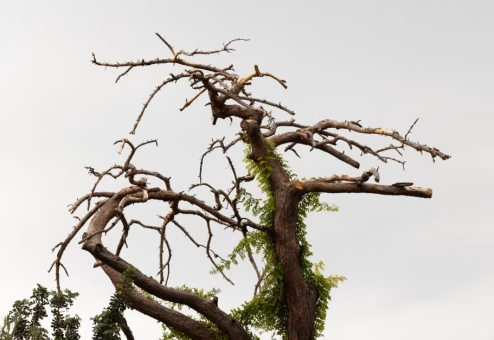
Topping is the indiscriminate removal of large portions of the crown, often cutting through the main stem or major scaffold branches with no regard for lateral structure. Topping starves a tree of its food-producing capacity, creates massive wounds that cannot close properly, and typically triggers an explosive flush of epicormic growth that is structurally weaker and more hazardous than the original crown. It is widely condemned by ISA-certified arborists and should not be confused with professional pruning of any kind. Our post on Why You Should Never Top a Tree covers the full case against this harmful practice.
Crown thinning is the method to choose when the goal is better health and structure without changing the tree’s size. Crown reduction is the method when size itself is the problem. Topping is never a legitimate answer.
When to Schedule Crown Thinning
The classic recommendation is to perform crown thinning during the dormant season, from late autumn through early spring, before new foliage emerges. Pruning cuts made during dormancy close faster, the tree experiences less physiological stress, and the risk of attracting opportunistic pests or pathogens through fresh wounds is lower. For most species, dormant-season cuts heal roughly 85 percent more efficiently than cuts made during active growth.
That said, certain species and certain situations call for different timing. Dead or hazardous branches should be removed whenever they are identified, regardless of season. Some disease-prone species are better pruned at specific times to avoid infection windows. In Louisiana’s subtropical climate, where trees may never fully enter textbook dormancy, a certified arborist’s judgment matters more than any universal calendar rule.
Most mature trees benefit from crown thinning on a cycle of roughly every three to five years. Thinning too frequently can stress the tree and actually trigger the epicormic sprouting you are trying to minimize. A regular schedule, tied to your tree’s species, age, and site conditions, is far more effective than reacting only when a problem is visible. Our guide on How Often to Trim Trees in Louisiana covers local timing considerations in detail.
The tree trimming professionals at Big Easy Tree Cutting assess each tree individually before recommending any pruning schedule, because the right answer depends on the species, the history of care, and the specific conditions on your property.
Crown Thinning in New Orleans: Local Considerations
New Orleans is home to some of the most magnificent urban trees in the country: sprawling live oaks, towering bald cypresses, southern magnolias, and a wide range of species that thrive in the region’s warm, humid climate. That same climate creates conditions where dense, unpruned canopies become liabilities, especially during hurricane season. Storm winds that might bend branches in a thinner canopy can snap or topple entire trees when the crown is acting like a wall of resistance.
Regular crown thinning is part of responsible tree stewardship in this region, not an optional luxury. It protects the tree, the property, and the people around it.
Schedule a Free Estimate with Big Easy Tree Cutting
If your trees have not been professionally assessed in the last few years, now is a good time to find out whether crown thinning could benefit them. Big Easy Tree Cutting provides free estimates and honest, ISA-informed recommendations for homeowners throughout the New Orleans area. Contact us today to schedule your free estimate and let our team evaluate what your trees actually need. Call us at (504) 732-9714 to speak with someone right away.
Frequently Asked Questions
What is crown thinning in simple terms?
Crown thinning is the selective removal of specific branches throughout a tree’s canopy to reduce its density without changing its overall height or shape. An arborist removes crossing branches, water sprouts, dead wood, and other problem growth so that light and air can move through the canopy more freely. The tree looks essentially the same from the outside but functions better structurally and biologically.
How is crown thinning different from topping?
Topping cuts through the main stem or major scaffold branches, removing large portions of the crown indiscriminately and leaving wounds the tree cannot properly seal. Crown thinning removes only selected smaller branches throughout the canopy while preserving the tree’s natural form and structural integrity. Topping is harmful and condemned by professional arborists, while crown thinning is a recommended, ISA-aligned practice.
How much of the canopy is removed during crown thinning?
Professional arborists follow ANSI A300 standards, which generally limit removal to no more than 25 to 30 percent of live canopy in a single session. Removing more than that in one visit stresses the tree and can trigger a surge of weakly attached epicormic regrowth. The goal is a gradual, sustainable improvement in canopy density, not a dramatic visual change.
How often should a tree be crown thinned?
Most mature trees benefit from crown thinning every three to five years, depending on species, growth rate, and local conditions. Thinning too frequently can stress the tree and cause more problems than it solves. A certified arborist can assess your specific trees and recommend a schedule that fits their actual needs rather than a generic timeline.
Does crown thinning hurt the tree?
When performed correctly by a trained arborist following ISA and ANSI A300 guidelines, crown thinning does not harm the tree. It reduces stress by improving light and air distribution, removes structurally weak or competing growth, and strengthens the overall branch architecture. Improper thinning, such as removing too much at once or making poor cuts, can cause stress, but that is an argument for hiring a qualified professional rather than an argument against the practice itself.