Call Us Now: 504-732-9714
Call Us Now: 504-732-9714

In New Orleans’ subtropical climate, most trees — live oaks, magnolias, bald cypresses, and sabal palms — never fully go dormant, so a leafless or bare tree is more likely a warning sign than seasonal rest. Use the scratch test: scratch a twig’s bark — green underneath means alive; dry and brown means it may be dead or dying. Call a certified arborist before leaving a dead tree standing through hurricane season.
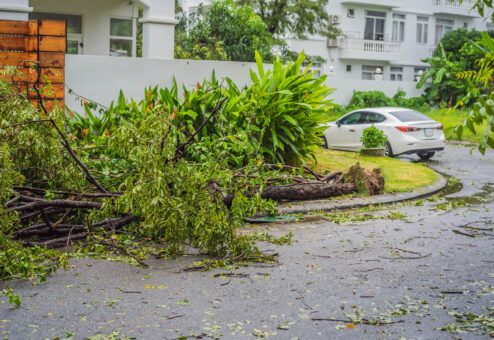
New Orleans’ subtropical climate sets it apart from most of the country when it comes to trees and dormancy. The live oaks, magnolias, bald cypresses, and sabal palms that define Greater New Orleans landscapes stay green or semi-green year-round. If a tree in your New Orleans yard goes bare or loses its leaves outside of normal seasonal shedding, it is far less likely to be resting and far more likely to be telling you something is wrong. Storm damage, root flooding from the city’s heavy clay soils, prolonged waterlogging after heavy rains, or disease can all cause a tree to decline rapidly. And with hurricane season running from June through November, a dead or structurally compromised tree is not just an eyesore — it is a genuine safety hazard.
Even deciduous species like pecans and water oaks, which do drop their leaves in winter, leaf out earlier here than they do in northern states. So the window during which a bare tree might be considered normal dormancy in New Orleans is very narrow. If you are looking at a bare tree in late spring, summer, or fall and wondering whether it is dead or just dormant, the answer in this climate is usually more urgent than it would be somewhere up north.
At Big Easy Tree Cutting, we field calls about this question all the time. Homeowners want to know if the tree in their yard is worth saving or if it needs to come down. The good news is that a few simple field tests can give you a solid answer before you ever call a professional. This guide walks you through each one so you can make an informed decision about your tree.
Before you grab your pruning shears, keep in mind that knowing whether a tree is dead is only the first step. If you spot something concerning, reading up on signs a tree needs trimming can help you figure out whether you are dealing with a maintenance issue or something more serious.
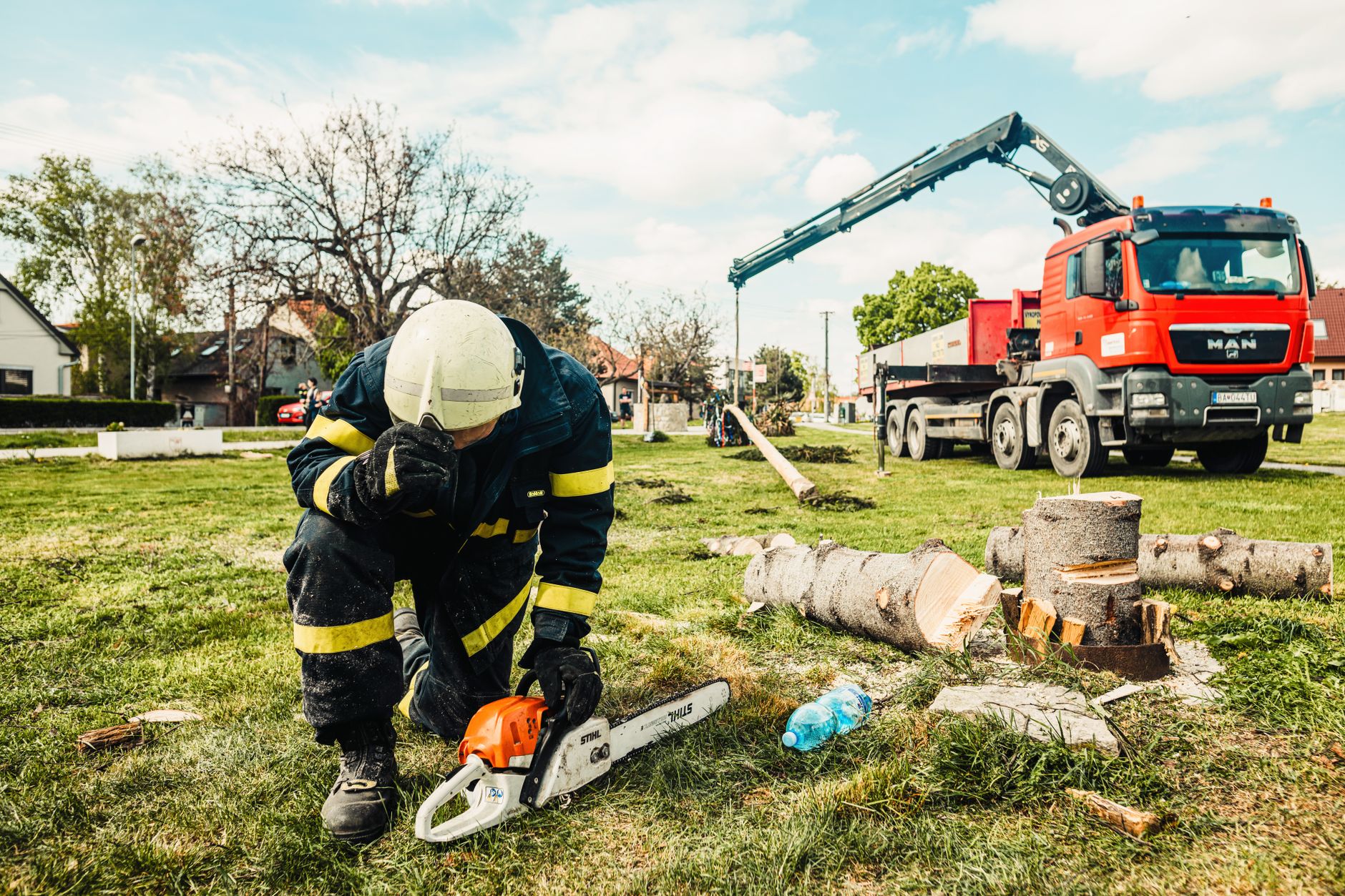
In northern climates, dormancy is a predictable, reliable seasonal event. Temperatures drop, days shorten, leaves fall, and trees go quiet for several months before spring brings them back. Homeowners in those regions learn to read the rhythms of their trees and understand that bare branches in January are completely normal.
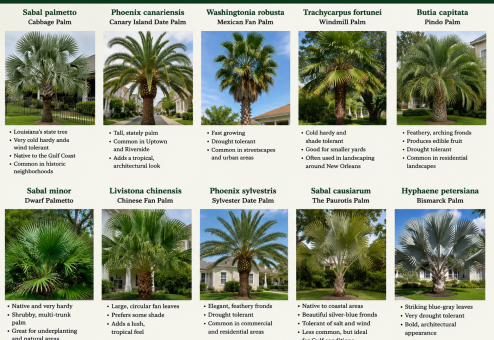
New Orleans does not work that way. The Gulf Coast’s subtropical climate means winters here are mild — rarely cold enough or long enough to trigger the deep dormancy that deciduous trees experience up north. The species most common to this region are either fully evergreen or barely shed their leaves at all:
What this means practically: if you see a live oak, magnolia, or palm that has gone bare or is shedding heavily outside of its normal pattern, there is no comfortable explanation of “it’s just dormant.” In New Orleans, unexplained leaf loss or bare branches are a signal to investigate. The stressors most likely to blame include hurricane and storm damage, flooding and waterlogged root zones from the city’s notoriously poor drainage, compaction of heavy clay soils that suffocate root systems, and fungal diseases that thrive in the region’s heat and humidity.
Dormancy is a survival strategy. When temperatures drop or drought sets in, deciduous trees shed their leaves and slow their metabolic processes to conserve energy. This is completely normal and healthy. The tree is not sick. It is waiting.
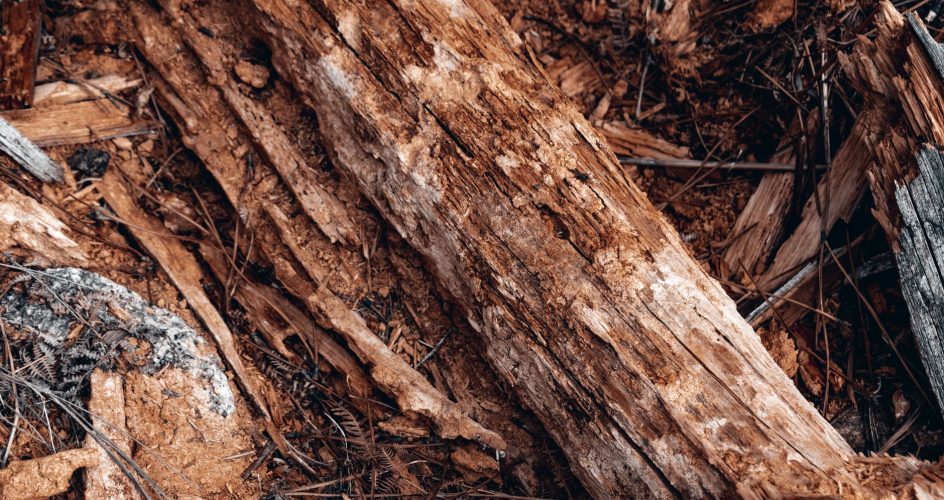
A dead tree, on the other hand, has no living tissue left. Its vascular system has shut down permanently. It cannot produce new growth, and over time it will begin to decay from the inside out. Dead wood becomes brittle, and branches can fall without warning. Root systems weaken, and the entire tree can topple in a storm. That is a serious liability, especially in yards where children play or where the tree overhangs a roof or fence.
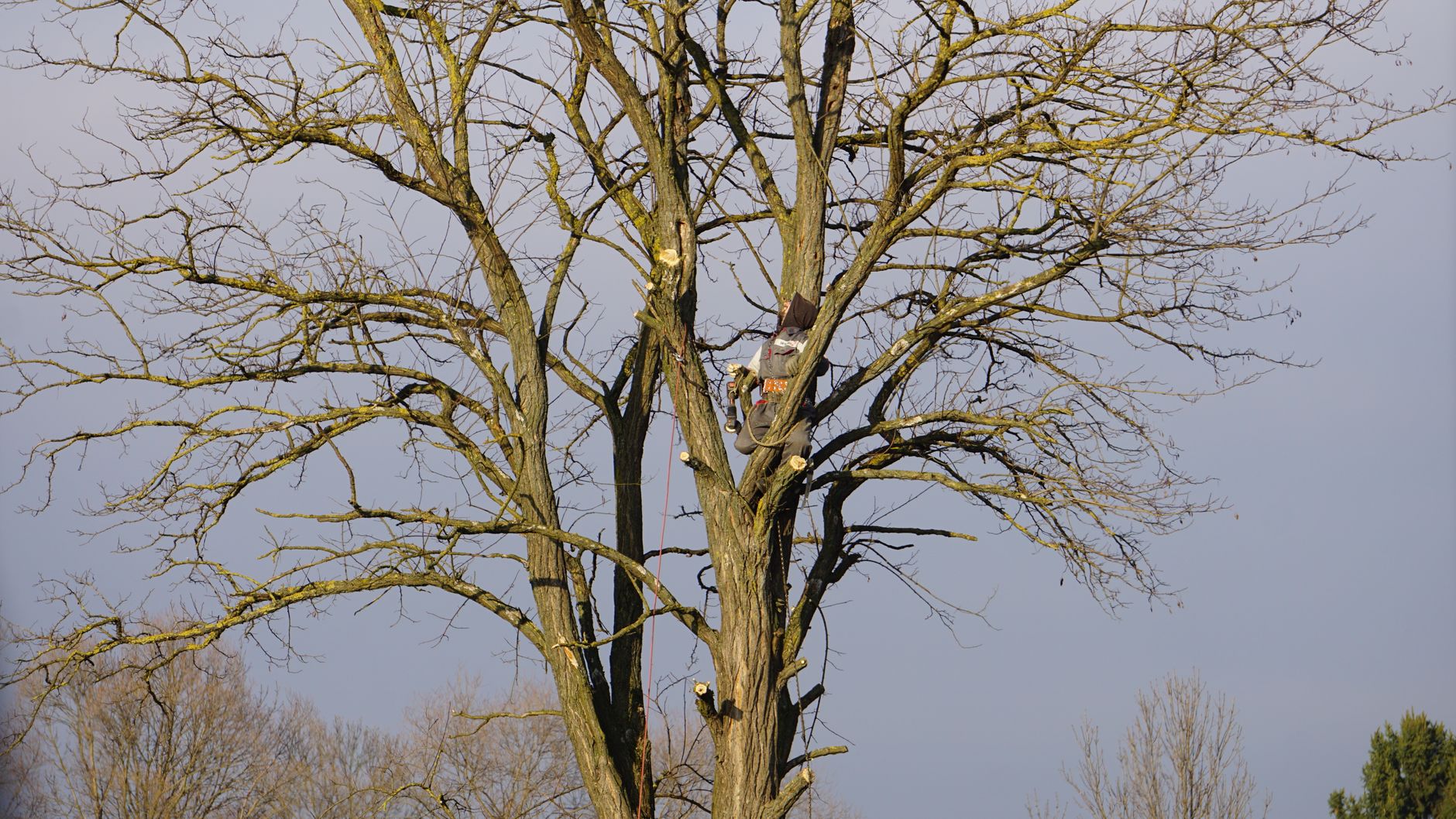
You do not need special equipment to run these tests. A pocket knife, a few minutes, and a willingness to get close to the tree are all you need. Work through the tests in order, starting with the easiest and moving to more detailed inspections.
This is the most reliable single test for determining whether a tree is alive. Use a fingernail or the tip of a pocket knife to lightly scratch through the outer bark of a young twig or small branch. Look at what is directly beneath the bark surface, a thin layer called the cambium.
Run this test on several twigs in different parts of the canopy. A tree that has green cambium in most spots but dead sections in others may be struggling but still viable. A tree that shows dry, brown cambium everywhere is almost certainly dead. This test is the same one certified arborists use as a quick field check.
Snap a small twig, roughly pencil-thickness, from the end of a branch. Bend it between your fingers.
Again, test multiple twigs across the canopy. A dormant tree will have pliable twigs even when it has no leaves. A dead tree will produce dry, brittle twigs throughout.
A dormant tree prepares for spring by forming buds on its branches during the fall and winter. These buds are small, firm, and tightly closed. They look like tiny bumps or pointed tips along the branch.
If it is late spring and a tree still has no leaves and no buds, that is a strong indicator that something has gone seriously wrong.
Healthy trees continuously shed and regrow their outer bark. A dead or dying tree loses its ability to regenerate bark, and you will notice the difference.
Significant bark loss paired with dry cambium in the scratch test is a strong double confirmation that a tree has died. If the wood beneath the bark is actively decaying or producing a foul odor, the tree has been dead long enough for decomposition to begin.
Crouch down and look at the base of the tree where the trunk meets the soil, an area called the root collar. This zone gives you important clues about the tree’s structural integrity and health.
Root problems are particularly dangerous because a structurally compromised root system can cause the entire tree to fall even if the upper canopy still looks partially alive. This is one reason a professional assessment is worth it when you are unsure.
Sometimes the answer is not a clean yes or no. You may find that one side of the tree shows green cambium and the other does not. Or half the canopy leafs out in spring while the other half stays bare. This is sometimes called a half-dead tree, and it presents its own set of challenges.
A partially dead tree still poses a risk. Dead branches drop without warning, and they do not need a storm to do it. Routine tree trimming can remove the dead sections and reduce that hazard while potentially giving the living parts of the tree a better chance. Specifically, dead wood removal is a targeted service designed exactly for this scenario, cutting away dead and dying limbs before they become falling hazards.
If you are managing a partially dead tree and wondering whether to try to save it or remove it, the 8 benefits of regular tree trimming lays out why staying ahead of dead wood is always the smarter approach.
Some situations call for more than a scratch test. If your tree is large, if it is near your home or power lines, or if the tests you have run are giving you mixed signals, a certified arborist can give you a definitive assessment. Professionals use additional diagnostic tools and experience to evaluate internal decay, root health, and structural stability in ways that a visual inspection alone cannot capture.
In New Orleans, there is an added layer of urgency during hurricane season, which runs from June through November. A dead or structurally weakened tree is not just a passive risk — it is an active one every time a tropical system approaches or a strong storm rolls through. Dead trees should not be left standing through storm season. If you confirm a tree is dead in the spring or summer, removal before hurricane season picks up is the responsible call.
If the tree is confirmed dead, removal is typically the safest path. A dead tree does not stabilize on its own. Over time it will only become more brittle and more dangerous. Tree removal done by a trained crew ensures the tree comes down safely, without damaging your property or injuring anyone nearby. If you want to understand the cost side of the equation before calling, the tree removal cost guide for New Orleans in 2026 gives you a realistic sense of what to expect.
For homeowners who are tempted to handle it themselves, it is worth reading through the honest breakdown of DIY vs professional tree removal before picking up a chainsaw. Dead trees are especially unpredictable because they can fail at any point during the cutting process.
The scratch test is your best first step. Use a fingernail or pocket knife to scratch through the outer bark of a small twig. If the layer beneath is green and moist, the tree is alive and likely dormant. If it is dry and brown, that branch or the whole tree may be dead. Run the test on several twigs across the canopy for a more complete picture.
A fully dead tree cannot come back to life. Once the vascular system has shut down and the cambium layer is completely dry and brown throughout the tree, there is no recovery. However, a tree that is stressed or partially dead may be saved through proper pruning, soil care, and correcting the underlying problem such as drainage or pest damage.
A dead tree typically shows brittle, dry twigs that snap easily rather than bending. The bark may be peeling away in large sections with dry wood underneath, and the scratch test will reveal brown or tan cambium with no moisture. No buds will be visible on branch tips, and you may see fungal growth or conks at the base of the trunk indicating internal decay.
Yes. Dead trees lose structural integrity over time as the wood dries out and decays. Branches can fall without warning, and the entire tree can topple in wind or rain. The longer a dead tree stands, the more unpredictable and dangerous it becomes. If you have confirmed a tree is dead, having it removed promptly is the safest course of action.
There is no set timeline. Some dead trees remain standing for years while others fall within months. It depends on the species, the cause of death, the condition of the root system, and exposure to wind and moisture. Because the timing is unpredictable, a dead tree near your home, vehicles, or utility lines should be removed as soon as possible rather than left to fall on its own.
If you are in the New Orleans area and suspect you have a dead or dying tree on your property, the team at Big Easy Tree Cutting is ready to help. Homeowners across our New Orleans service area count on us for fast, professional assessments. We offer free estimates, so there is no cost to get a professional opinion. Call us at (504) 732-9714 or visit our contact page to schedule your assessment today.
 By Admin
  Jul 3, 2026