

Call Us Now: 504-732-9714
Call Us Now: 504-732-9714

Commercial tree trimming is a critical part of property management that directly affects tenant safety, liability exposure, and curb appeal. Property managers who invest in scheduled tree maintenance protect their buildings, cut emergency costs, and stay compliant with local codes. Understanding what to look for and when to act can save thousands of dollars and prevent serious incidents on commercial properties.
Trees on commercial properties serve a different purpose than residential trees. They shape first impressions, provide shade for parking areas, frame building entrances, and contribute to the overall professional appearance of a business location. When those trees are neglected, the consequences go far beyond aesthetics. Overgrown branches can block signage, damage roofing, interfere with power lines, and create safety hazards for tenants and visitors. At Big Easy Tree Cutting, we work with property managers across New Orleans who understand that proactive tree care is not optional but essential.
For commercial property owners, the stakes are particularly high. A falling branch in a parking lot or walkway can result in personal injury claims, vehicle damage, and costly litigation. Insurance carriers often scrutinize tree maintenance records after an incident, and properties with documented trimming schedules are in a much stronger position to defend against liability claims. Regular tree trimming is one of the simplest ways to reduce risk while improving property value.
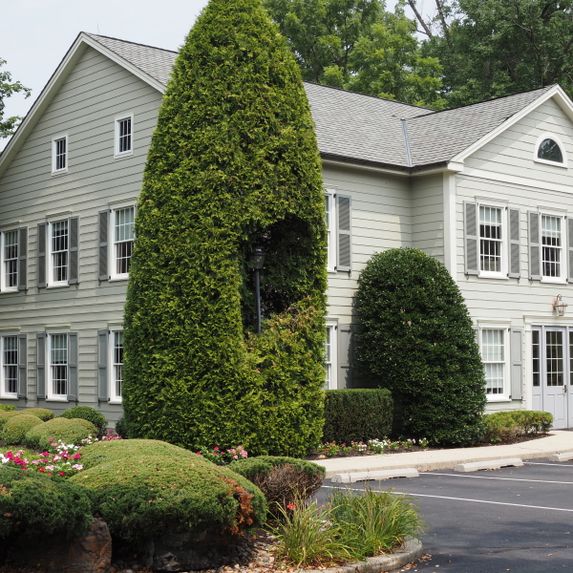
Liability is the number one reason property managers prioritize commercial tree care. Under premises liability law, property owners and managers have a duty to maintain safe conditions for anyone on the property. Dead branches, leaning trunks, and root systems that lift sidewalks all represent foreseeable hazards. If a property manager knew or should have known about a dangerous tree condition, they can be held responsible for resulting injuries or damage.
Beyond lawsuits, there are practical safety concerns that affect daily operations. Overgrown trees can obscure security cameras and lighting, creating blind spots that increase the risk of criminal activity. Low-hanging branches can block fire lanes or emergency exits. Root growth can crack foundations, lift parking surfaces, and compromise underground utilities. Addressing these issues through routine commercial tree trimming keeps properties safe and operational.
Following proper tree trimming safety practices is equally important. Hiring licensed professionals who carry adequate insurance and follow ANSI pruning standards protects managers from additional liability that comes with improper or DIY tree work.
One of the most effective strategies for managing trees across commercial properties is establishing a seasonal maintenance calendar. Rather than reacting to problems as they arise, a proactive schedule ensures that every property receives attention at the right time of year.
Winter (December through February): This is the ideal window for structural pruning on deciduous trees. Without leaves, arborists can clearly assess branch architecture and remove crossing, weak, or dead wood. Winter pruning also minimizes disease transmission for many species.
Spring (March through May): Focus on post-storm inspections, flowering tree maintenance, and early-season growth management. This is a good time to identify trees that may need removal before hurricane season begins. Understanding the benefits of regular tree trimming helps justify spring budgets to ownership groups and HOA boards.
Summer (June through August): Prioritize storm preparation and canopy thinning. Proper canopy management reduces wind resistance and lowers the chance of catastrophic branch failure during hurricanes and tropical storms. This season also calls for clearance pruning around buildings, walkways, and parking structures.
Fall (September through November): Conduct end-of-season assessments, clean up storm damage, and plan the winter pruning schedule. Fall is also a good time to evaluate whether any trees need full tree removal before the next growing season.
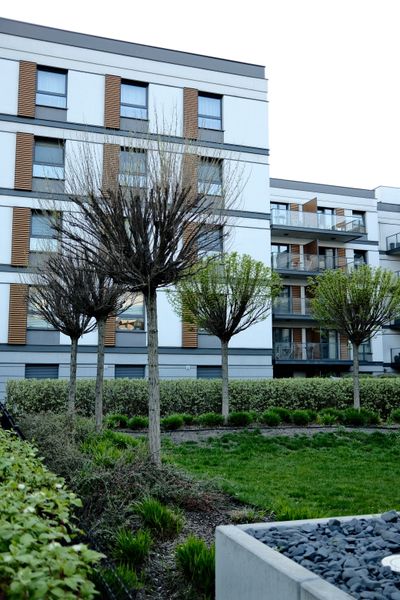
Even with a scheduled maintenance plan, certain warning signs call for immediate professional evaluation. Property managers should train maintenance staff to watch for these red flags:
 By Admin
 Jul 6, 2026