Call Us Now: 504-732-9714
Call Us Now: 504-732-9714

When you skip regular tree trimming, trees develop structural weaknesses, attract diseases and pests, and become serious hazards during storms. Overgrown branches can damage your roof, block sunlight from your yard, and even create legal liability if they fall on a neighbor’s property. Understanding these risks helps homeowners see why consistent maintenance is far cheaper than dealing with the consequences of neglect.
Trees are some of the most valuable assets on any property. They provide shade, boost curb appeal, and support the local ecosystem. But like any living thing, trees need regular care to stay healthy and safe. When trimming is put off year after year, the problems don’t just stay the same. They get worse, and the costs multiply. At Big Easy Tree Cutting, we see the results of neglected trees every week, and the damage is almost always preventable.
If you have been wondering what happens if you don’t trim your trees, the answer involves a long chain of consequences that affect your safety, your wallet, and your property. Let’s walk through the major risks that come with ignoring your trees.
One of the first things that happens when trees go untrimmed is the development of structural defects. Codominant stems, where two main trunks grow side by side with a narrow angle between them, are a common problem. Over time, included bark forms in the junction between these stems, creating a weak point that is prone to splitting. During high winds or heavy rain, the tree can literally tear itself apart at this junction. Regular tree trimming addresses these structural issues early, before they become dangerous.
Without trimming, branches also grow unevenly, creating a lopsided canopy. Heavy limbs that extend too far from the trunk place enormous stress on the tree’s structure. This unbalanced weight distribution makes the tree more likely to lose large branches or topple entirely during storms. The wind sail effect, where a dense, unthinned canopy catches wind like a sail, amplifies this risk dramatically. Crown thinning reduces wind resistance and helps trees survive severe weather events.
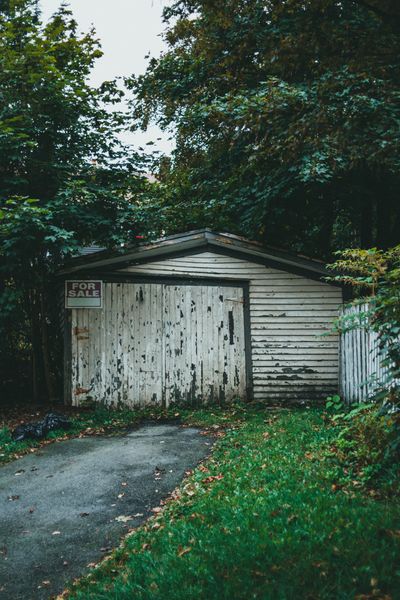
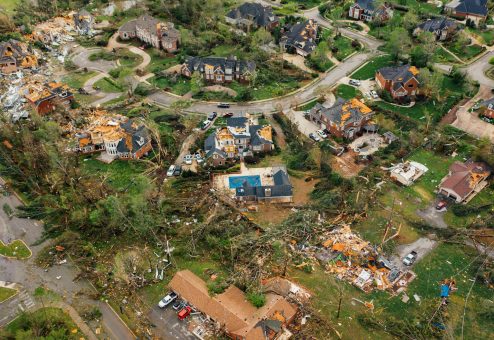
In a region like Louisiana, where hurricane season brings intense storms every year, neglected trees are a serious liability. Dead branches, weakened limbs, and overgrown canopies turn trees into projectiles during high winds. A single falling branch can punch through a roof, crush a vehicle, or knock out power lines. Homeowners who prepare by scheduling tree trimming before hurricane season dramatically reduce their risk of storm-related damage.
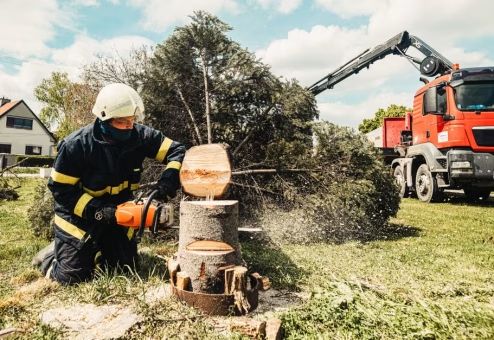
When a storm does cause sudden damage, the situation becomes urgent. Trees that have been neglected for years are far more likely to need emergency tree trimming after severe weather. Emergency services cost significantly more than routine maintenance, and availability can be limited when everyone in the area needs help at the same time.
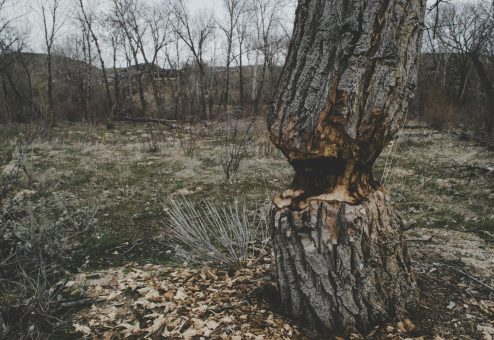
Untrimmed trees become breeding grounds for disease and pests. Dead and dying branches, known as deadwood, remain attached to the tree and attract wood-boring insects, fungi, and bacteria. These organisms spread from the deadwood into healthy tissue, accelerating the tree’s decline. Professional dead wood removal eliminates these entry points and keeps infections from spreading to nearby trees.
Overgrown canopies also trap moisture and reduce air circulation through the branches. This damp, stagnant environment is ideal for fungal growth and can lead to rot from the inside out. By the time external symptoms appear, the internal damage may already be extensive. Knowing the signs that a tree needs trimming helps homeowners catch problems before they become irreversible.
Trees that are never trimmed don’t just grow taller. They grow wider, and their root systems expand to support the increasing canopy. Roots can invade foundations, crack driveways, lift sidewalks, and damage underground plumbing. Above ground, overhanging branches scrape against roofing materials, clog gutters with leaves and debris, and grow into power lines. Each of these issues results in costly repairs that could have been avoided with regular maintenance.
In some cases, a tree becomes so overgrown and structurally compromised that trimming is no longer enough. Complete tree removal becomes the only safe option, followed by stump grinding to reclaim the space. This is always more expensive than a history of regular trimming would have been.
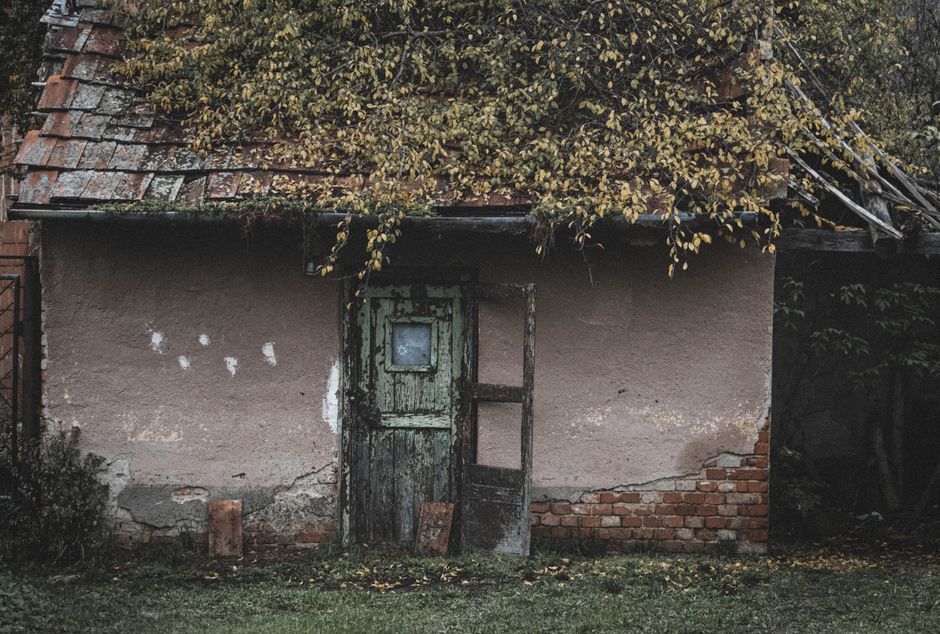
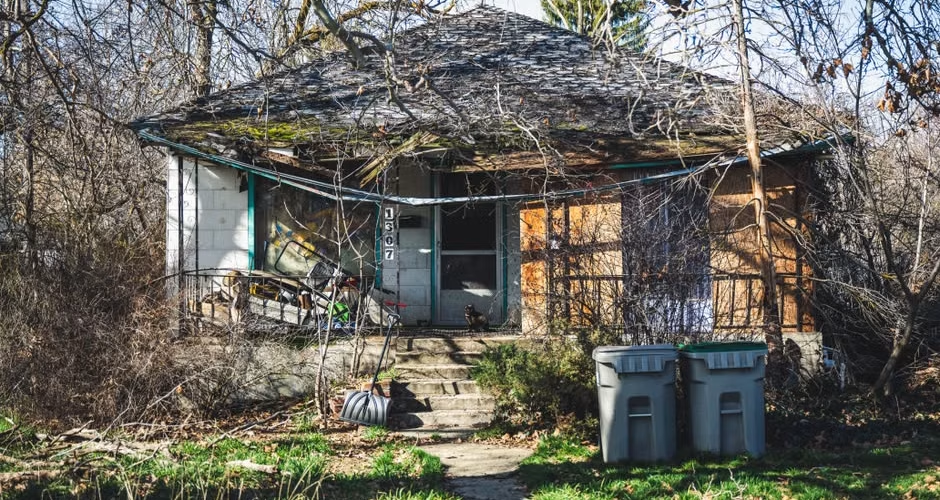
Overgrown, unkempt trees make a property look abandoned, even if the home itself is well maintained. Potential buyers notice trees that block windows, crowd structures, or look unhealthy. Real estate professionals consistently note that well-maintained landscaping, including properly trimmed trees, can increase property value by 10 to 15 percent. Neglected trees have the opposite effect, dragging down the perceived value of the entire property.
Dense canopies also block sunlight from reaching lawns, gardens, and flower beds below. Grass thins out, gardens struggle, and the yard takes on a dark, overgrown appearance. The benefits of regular tree trimming extend well beyond the tree itself, improving the health and appearance of the entire landscape.
Many homeowners don’t realize they can be held legally responsible if a neglected tree on their property damages a neighbor’s home, vehicle, or fence. If it can be shown that the tree was visibly unhealthy or poorly maintained, the tree owner may be liable for repair costs, medical bills, and even legal fees. Branches that hang over property lines are a common source of neighbor disputes, and local ordinances in many areas require property owners to keep their trees trimmed and safe.
Perhaps the most important thing to understand is that the cost of neglect compounds over time. A young tree that needs minor corrective pruning might cost a fraction of what it takes to address a mature tree with years of unchecked growth. Every season of skipped maintenance adds complexity, risk, and expense to the eventual work that will be needed. Understanding how often you should trim your trees helps you stay ahead of these compounding problems.
The bottom line is simple: trimming your trees on a regular schedule is one of the most cost-effective things you can do to protect your property, your family, and your investment. If your trees are overdue for attention, contact Big Easy Tree Cutting or call 504-732-9714 to schedule a professional assessment before small problems become big ones.
A tree that is never trimmed develops structural weaknesses such as codominant stems and overextended branches, making it vulnerable to storm damage and splitting. It also accumulates deadwood that attracts pests and diseases, which can eventually kill the tree or make it a serious safety hazard.
Yes, overgrown branches can scrape and wear down roofing materials, clog gutters, and even crash through roofs during storms. Expanding root systems from unmanaged trees can also crack foundations, lift walkways, and damage underground pipes.
In many cases, yes. If a court determines that the tree was visibly neglected or showing signs of poor health and you failed to address it, you can be held financially responsible for damages to neighboring property, vehicles, or injuries to people.
Emergency tree services typically cost two to three times more than scheduled maintenance trimming. Availability is also limited after major storms, meaning you may wait days or even weeks for service while the damage to your property continues.
Absolutely. Neglected trees reduce curb appeal and can lower property values, while well-maintained trees and landscaping have been shown to increase home values by 10 to 15 percent. Buyers are also wary of purchasing properties with large, unhealthy trees due to the potential costs and risks involved.
Most trees should be trimmed every two to three years, though fast-growing species or trees near structures and power lines may need annual attention. Scheduling regular inspections with a professional arborist ensures problems are caught early before they escalate into costly repairs or dangerous situations.
 By Admin
  Jul 2, 2026