Call Us Now: 504-732-9714
Call Us Now: 504-732-9714

Tree trimming improves air circulation by removing dense, overlapping branches that trap moisture and block wind flow, while also allowing sunlight to penetrate through the canopy to nourish the tree and the landscape below. Proper trimming techniques such as crown thinning and canopy management create a balanced structure that promotes photosynthesis, reduces disease risk, and supports healthier growth for trees, lawns, and gardens.
Trees are among the most valuable features of any property, offering shade, beauty, and environmental benefits. However, when branches grow unchecked, the canopy becomes so thick that it creates problems for the tree itself and everything around it. Understanding the science behind how trimming improves air circulation and sunlight penetration can help homeowners make smarter decisions about tree care. At Big Easy Tree Cutting, we help property owners maintain trees that are both beautiful and healthy through professional trimming services.
Many homeowners assume that a full, dense canopy is a sign of a thriving tree. In reality, excessive density can be a warning sign that maintenance is overdue. When too many branches compete for the same space, both air and light struggle to reach the interior of the tree. This sets the stage for a range of issues that can compromise the health of the tree and the surrounding landscape.
When a tree’s canopy becomes overly thick, it traps humidity and moisture within the branch structure. After rainfall, water lingers on leaves and bark far longer than it should because wind cannot move freely through the branches to aid in evaporation. This creates a persistently damp environment that is ideal for fungal growth, including powdery mildew, leaf spot, and various canker diseases. Professional tree trimming services address this by selectively removing branches to restore healthy airflow.
Poor air circulation does more than encourage fungal infections. It also accelerates the spread of disease from one branch to another. When infected leaves remain pressed against healthy foliage in a stagnant canopy, pathogens transfer easily. Insects that thrive in humid, sheltered environments also find dense canopies particularly inviting. Opening up the canopy through strategic trimming disrupts these conditions and gives the tree a natural defense against pests and disease. For a deeper look at the advantages of routine care, explore the 8 benefits of regular tree trimming.
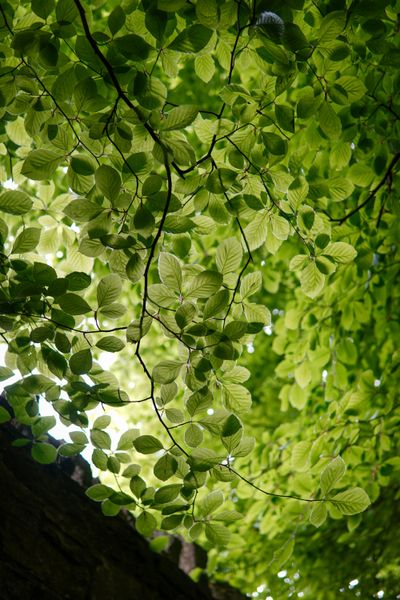
Sunlight is the engine that drives a tree’s energy production through photosynthesis. Leaves absorb light and convert it into the sugars that fuel growth, root development, and natural defense mechanisms. When the outer canopy is so thick that interior and lower branches receive little to no sunlight, those shaded branches weaken, produce fewer leaves, and eventually die. This creates deadwood that poses safety risks and drains energy from the rest of the tree.
Crown thinning is one of the most effective techniques for improving sunlight penetration. By selectively removing a percentage of branches throughout the crown, arborists allow light to filter evenly into the interior. This creates what is known as dappled shade, a pattern of shifting light and shadow that benefits both the tree and the plants growing beneath it. Unlike heavy pruning that removes large sections, crown thinning preserves the tree’s natural shape while dramatically improving light distribution.
Understanding the difference between various maintenance approaches is important for making the right choice. Our guide on tree trimming vs. pruning explains when each method is most appropriate.
The effects of improved air circulation and sunlight extend well beyond the tree itself. Grass growing beneath a dense, untrimmed canopy often thins out, turns yellow, or is replaced entirely by moss and algae. This happens because turf grass needs a minimum amount of sunlight each day to photosynthesize and maintain healthy growth. When trimming opens the canopy to allow more light through, lawns recover and fill in naturally.
Garden plants and flower beds also benefit significantly. Many ornamental plants require partial to full sun, and a properly managed canopy provides exactly the right balance. Patios and walkways beneath dense trees often develop slippery moss or algae buildup due to persistent shade and moisture. Trimming reduces this problem, making outdoor living spaces safer and more enjoyable. These visible improvements contribute to the overall appearance of a property, and you can learn more about that in our article on tree trimming and curb appeal.

Trees that block too much natural light from entering a home can increase dependence on artificial lighting during the day. In regions with mild winters, overly dense trees near windows may also prevent passive solar heating, leading to higher energy bills. Strategic trimming allows natural light to brighten interior rooms while still providing enough shade to keep cooling costs manageable during hot months. This balance is especially valuable in climates like New Orleans, where managing heat and humidity is a year-round consideration.
Not all trimming approaches deliver the same results when it comes to air circulation and light. Crown thinning, as discussed earlier, is the primary technique for improving both. Crown raising, which involves removing lower branches, increases airflow at ground level and allows more light to reach lawns and gardens. Crown cleaning focuses on removing dead, diseased, or crossing branches that obstruct air movement. Professional canopy management combines these techniques based on the specific needs of each tree.
Different tree species respond differently to trimming. For example, palm tree trimming requires a specialized approach because palms grow from a single terminal bud and cannot regenerate branches the way hardwoods can. Homeowners should also consider the best time to trim trees in New Orleans to ensure cuts heal properly and do not stress the tree during vulnerable periods.
Several practical indicators suggest that a tree’s canopy needs attention. If you stand beneath the tree on a sunny day and see no light filtering through, the canopy is likely too thick. Other signs include persistent dampness on the trunk or lower branches even during dry weather, an increase in fungal growth or mushrooms at the base, thinning grass directly below the tree, and interior branches that are bare or covered in dead leaves. Moss or lichen growing heavily on branches is another signal that air circulation is insufficient.
When you notice these signs, it is time to call a professional. Residential tree trimming from a qualified team ensures that the right amount of material is removed without over-trimming, which can be just as harmful as neglect.
Trees that receive proper trimming develop stronger branch structures and are more resilient during storms. When air moves freely through a well-maintained canopy, wind resistance is reduced, lowering the chance of branch failure during severe weather. Combined with proper fertilization, trimming creates trees that are vigorous and capable of withstanding environmental stress.
If your trees are showing signs of poor air circulation or insufficient sunlight, do not wait for problems to worsen. Contact Big Easy Tree Cutting today or call 504-732-9714 to schedule a professional assessment and keep your trees healthy for years to come.
Tree trimming improves air circulation by removing excess branches that block wind from moving through the canopy. When airflow is restored, moisture evaporates more quickly from leaves and bark, which reduces the risk of fungal infections and disease spread.
Yes, trimming opens the canopy to allow more sunlight to reach the grass below. Turf grass needs several hours of sunlight daily to photosynthesize, and reducing canopy density gives your lawn the light it needs to thicken and stay green.
Crown thinning is the most effective technique for improving sunlight penetration. It involves selectively removing branches throughout the crown to create even light distribution without drastically changing the tree’s shape or size.
Stand beneath the tree on a sunny day and look up. If you cannot see any light filtering through the leaves, the canopy is likely too thick. Other signs include persistent dampness on branches, fungal growth near the base, and thinning grass underneath the tree.
It can. Dense, untrimmed trees near windows block natural light and may increase your need for artificial lighting during the day. Strategic trimming allows more daylight into your home while still providing enough shade to reduce cooling costs in summer.
Most trees benefit from trimming every two to three years, though fast-growing species may need attention more frequently. Regular inspections help determine the right schedule based on growth rate, species, and overall canopy density.
 By Admin
  Jul 15, 2026