 By Admin
  Jul 15, 2026
 After a tropical storm or hurricane passes through New Orleans, assessing your trees right away is critical for protecting your family and property. Start by checking for downed utility lines and leaning trunks from a safe distance before getting any closer. Trees that are still standing may look intact but can carry hidden structural damage that makes them dangerous during the next storm.
Louisiana’s Atlantic hurricane season runs from June through November, and for homeowners in the New Orleans area, that means months of watching the sky and hoping the trees in your yard hold up. When a storm does roll through, the aftermath can be disorienting. Broken limbs, stripped canopies, and leaning oaks are all part of life in a humid subtropical climate where wind, rain, and saturated soils combine to test every tree on your property. The team at Big Easy Tree Cutting has helped countless New Orleans homeowners navigate post-storm recovery, and the process always starts with one rule: safety before anything else.
This guide walks you through a clear, step-by-step approach to storm damaged tree care so you know exactly what to look for, what the warning signs mean, and when to call in a professional arborist.
Step 1: Immediate Safety Check Before You Step Outside
Before you walk into your yard after a storm, look through a window first. Scan for downed power lines across the ground, on fences, or draped over tree branches. A wire that appears slack or cold-looking can still carry a lethal charge. If any part of a tree is in contact with a utility line, stay inside and call Entergy Louisiana before doing anything else. Do not attempt to move branches near lines yourself under any circumstances.
Once you confirm no utility hazards are visible, put on closed-toe shoes and a hard hat if you have one. Saturated soil after heavy rain is unstable, and root systems may have shifted even if a tree looks upright. Keep children and pets indoors while you conduct your initial walk-around.
Step 2: Visual Assessment From a Safe Distance
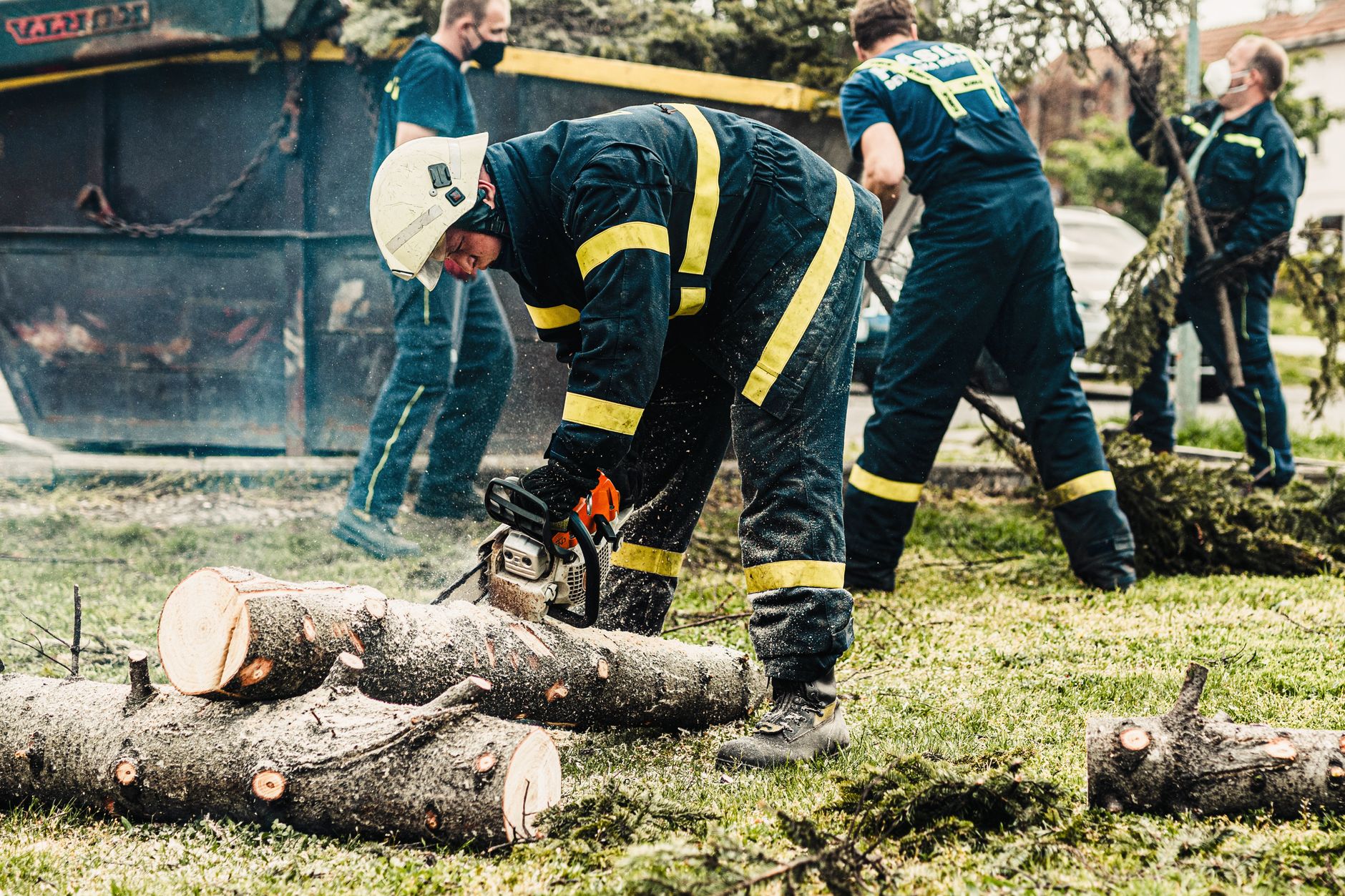
Begin your inspection at least 20 to 30 feet away from each tree and use binoculars or your phone’s camera zoom if you have it. You are looking for the overall silhouette of the tree before you examine anything up close. Pay attention to these visible signals:
- A new or increased lean that was not there before the storm
- Large branches broken but still lodged in the canopy, sometimes called “widowmakers”
- Significant crown loss, meaning a major portion of the upper branches are gone
- Splitting at the main crotch where two major trunks or large limbs diverge
- Visible soil heaving or mounding at the base of the trunk
Write down or photograph what you see before moving closer. Having a record helps if you need to file a homeowner’s insurance claim and also gives a certified arborist useful context when they arrive. You can also read our guide on Tree Trimming for Hurricane Season for tips on preparing your trees before the next storm hits.
Step 3: Identifying Structural Failure vs. Cosmetic Damage
Not every tree that looks battered after a storm needs to come down. The key distinction in storm damaged tree care is understanding the difference between cosmetic damage and structural failure.
Cosmetic damage includes surface bark scrapes, minor branch loss, and leaf stripping. A tree that loses scattered small branches but retains the shape of its crown and shows no cracking at the trunk is likely capable of recovery. Surface bark wounds that affect less than 25% of the trunk’s circumference generally heal over time with proper care.
Structural damage is a different story. Warning signs of structural failure include:
- Split crotches: When a major fork in the tree splits open, the tree has lost a primary load-bearing connection. This is one of the most common failure points in New Orleans oaks and pecans after high winds.
- Heartwood exposure: If the crack or break has opened up to reveal the inner wood core of the trunk or a major limb, the tree’s vascular system is compromised and rot can set in quickly in our humid climate.
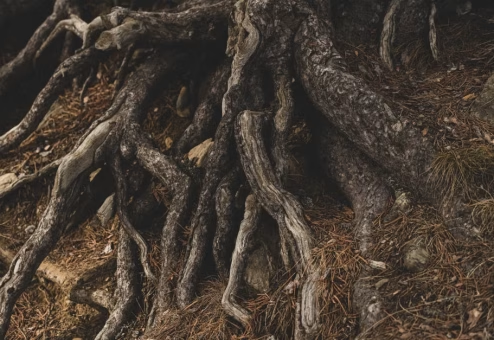
- Root heaving: Soil that has pushed upward around the base of the trunk means the root plate has shifted. Even a tree that looks upright may topple without warning. In New Orleans, where soils are soft, clay-heavy, and often waterlogged, root heaving is particularly common after sustained rainfall.
- Leaning trunk: A tree that has developed a new lean is under asymmetric load and may continue to lean further or fall suddenly. A lean greater than 15 to 20 degrees from vertical is generally considered a removal candidate.
- Vertical trunk cracks: Long cracks running up or down the trunk indicate that internal structure has failed or is compromised by decay.
If you spot any of these signs, do not park vehicles, allow people, or store property beneath the tree. Cordon off the area until a professional can assess it. For more on recognizing the early warning signs that can help you act before a storm even arrives, see our post on Signs a Tree Needs Trimming.
Step 4: Which Trees Can Recover and Which Must Come Down
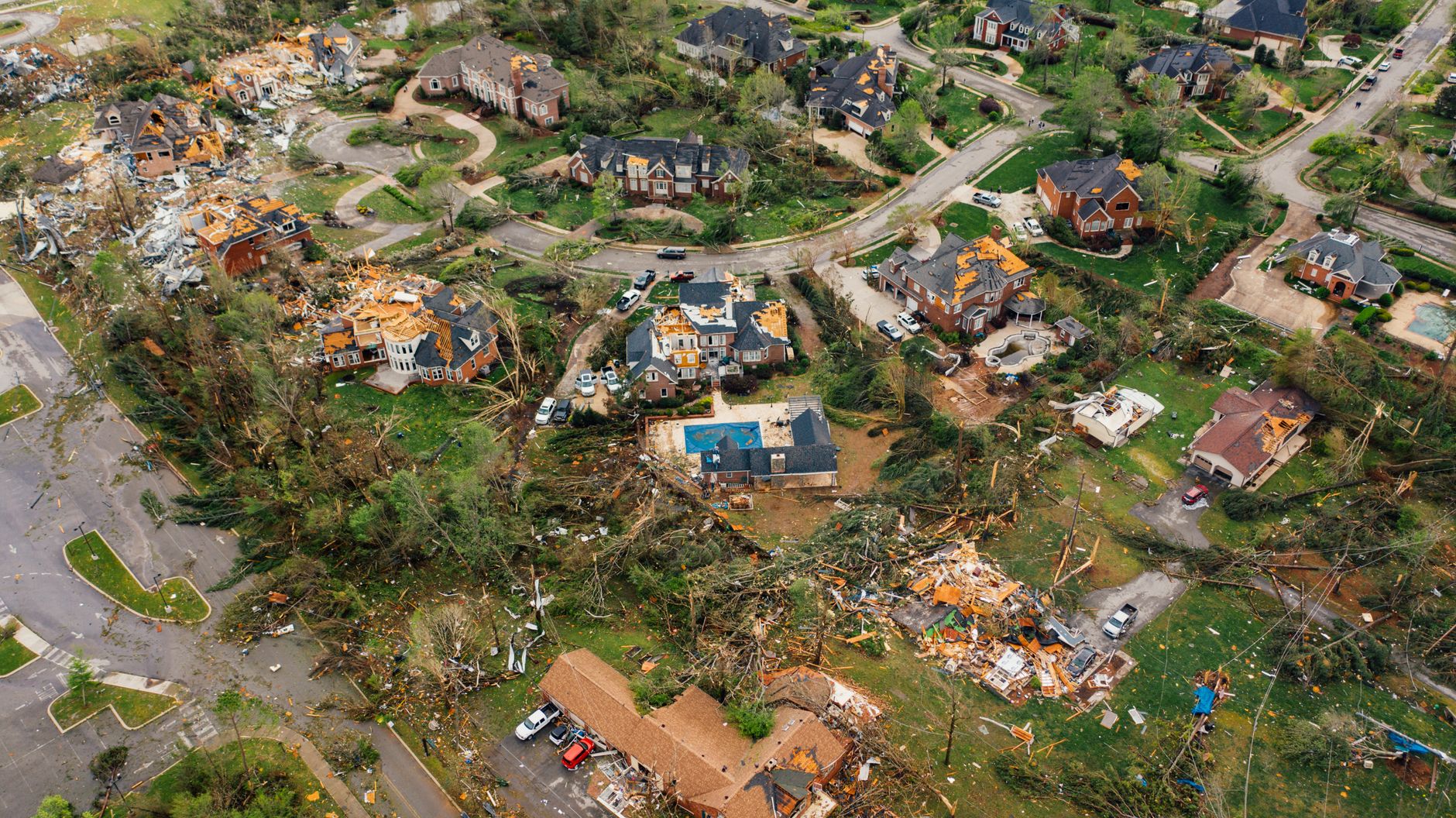
One of the most common questions after a New Orleans storm is: can this tree be saved? The answer depends on several factors working together.
Crown loss percentage is one of the most reliable indicators. A tree that has lost less than 25% of its canopy can typically recover with proper pruning and care. Trees that have lost 50% or more of their crown have severely reduced their ability to photosynthesize and produce energy for healing. Combined with root damage or trunk injury, a tree at that level of crown loss is usually a removal candidate.
The species matters too. Native Louisiana trees like live oaks and bald cypresses are naturally resilient and adapted to wind and flood stress. However, even these species can fail structurally when heartwood is exposed or root systems are disrupted. Fast-growing ornamental trees common in many New Orleans neighborhoods, including Bradford pears and silver maples, tend to have weaker wood structure and are less likely to recover from major storm damage.
Trees with good recovery potential generally share these traits: the main trunk is intact with no vertical cracking, fewer than half the major limbs are broken, no heartwood is exposed, there is no root heaving, and the tree is otherwise healthy with no pre-existing disease or pest damage. For trees in this category, Crown Reduction by a trained professional can restore balance and reduce wind resistance going into the next storm season.
Trees that have split crotches, exposed heartwood, significant lean, or root heaving should be evaluated for Tree Removal as soon as possible. Leaving a compromised tree standing through another Louisiana storm season is a serious risk. It is also worth reading our post on DIY vs Professional Tree Removal before deciding to tackle any of this work yourself.
Step 5: Calling a Certified Arborist for Damaged Trees
Many post-storm tree tasks are not safe for homeowners to handle without professional training and equipment. If any of the following apply to your situation, call a certified arborist before taking any action:
- Branches are near or touching utility lines
- Broken limbs are still suspended in the canopy
- The tree requires a chainsaw or ladder to prune
- Root heaving or trunk lean is present
- The tree overhangs your roof, a fence, or a neighbor’s property
A licensed arborist can perform a full structural risk assessment, advise on which trees are worth saving with targeted pruning, and handle hazardous removals safely. For urgent situations, Big Easy Tree Cutting offers Emergency Tree Trimming to address immediate hazards quickly. We serve communities throughout the Greater New Orleans area. Check our full Service Area to confirm we cover your neighborhood.
Storm damaged tree care is not the place to cut corners. The good news is that getting an expert assessment does not have to be complicated. Contact Big Easy Tree Cutting for a free estimate after the storm. Our crew understands the specific challenges that New Orleans trees face, from saturated Atchafalaya basin soils to the sustained winds of a Gulf Coast tropical system, and we are ready to help you recover safely. Call us at (504) 732-9714.
Before hurricane season arrives, it also pays to know what safe pruning looks like. Our Tree Trimming Safety Tips guide covers best practices for keeping yourself and your property protected during any tree work.
Frequently Asked Questions
How do I know if a storm-damaged tree is safe to leave standing?
A tree may be safe to leave if it has lost less than 25% of its crown, the trunk shows no vertical cracks or exposed heartwood, and there is no soil heaving or new lean at the base. Even then, a certified arborist should confirm the assessment before you consider the tree safe, especially during Louisiana’s active hurricane season from June through November.
What does root heaving look like and why is it dangerous?
Root heaving appears as raised or mounded soil around the base of the trunk, sometimes with visible roots pulling free from the ground. It means the root plate has shifted and the tree’s anchor in the soil has been compromised. A tree showing root heaving can topple without additional wind or rain and should be treated as a hazard immediately.
Can a tree with a split crotch be saved?
In some cases, a split crotch can be stabilized with cabling or bracing installed by a certified arborist, but this depends on how far the split has progressed and whether heartwood has been exposed. Many split crotch situations in New Orleans, particularly on large oaks after a direct tropical storm hit, require removal because the structural integrity of the union is permanently lost.
What percentage of crown loss is too much for a tree to recover?
Trees that lose more than 50% of their crown have significantly reduced ability to produce energy through photosynthesis and face poor recovery odds, especially when combined with any root or trunk injury. Trees that lose between 25% and 50% of their crown may recover with professional pruning and follow-up care, depending on species and overall health prior to the storm.
When should I call an arborist instead of handling storm damage myself?
Call a certified arborist any time broken limbs are still lodged in the canopy, the tree is near power lines, a chainsaw or ladder is needed, or the trunk shows signs of cracking, leaning, or heartwood exposure. DIY tree work after a storm carries serious injury risk, and professional arborists have the equipment and training to handle these situations without additional property damage.