Call Us Now: 504-732-9714
Call Us Now: 504-732-9714

The honest answer is that it depends on your policy, what caused the tree to come down, and what it landed on. Homeowners policies in Louisiana handle tree damage in patterns that are broadly similar, but the details that decide a claim live in your specific policy language. This guide explains the usual structure, the questions that determine an outcome, and exactly what to ask your insurer.
This article is general information about how tree-related claims are commonly structured. It is not insurance advice, and it cannot tell you what your policy covers. Coverage depends on your policy terms, exclusions, endorsements, limits, and deductible, along with the specific facts of the loss. Confirm everything with your insurer or agent before making decisions based on it.
We should also be direct about our position. Big Easy Tree Cutting performs tree removal and benefits commercially when readers hire us. We have written this to be useful whether or not you call us, and the insurance questions below should go to your carrier rather than to any tree service.
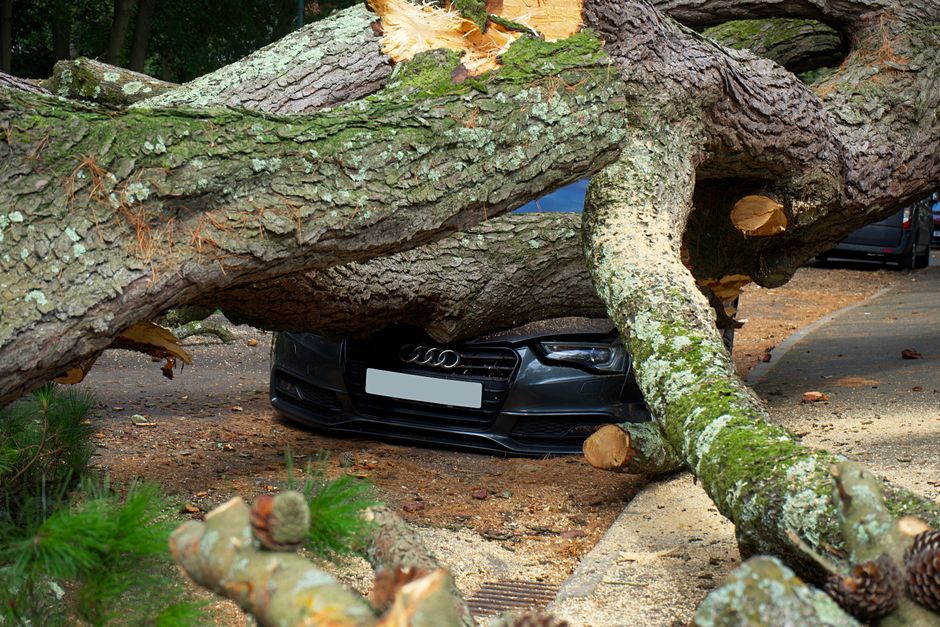
Tree claims usually turn on a single distinction: did the tree damage covered property, or did it simply fall down?
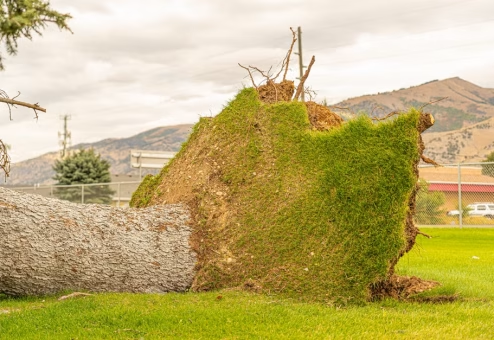
Where a tree strikes a covered structure such as the house, a detached garage, or a fence, many policies respond to the damage to that structure. Removal of the tree from the structure is often treated as part of making that repair possible. Where a tree falls in the yard and hits nothing, many policies treat removal as a maintenance expense rather than a covered loss, though some include a limited allowance for debris removal in defined circumstances.
This is a pattern rather than a rule. Policies differ, endorsements change outcomes, and two homeowners on the same street can get different answers. The distinction is worth understanding because it explains why insurers ask what the tree hit before anything else.
Most homeowners policies list or describe the perils they respond to. Wind, hail, and lightning are commonly among them, and a healthy tree brought down by a storm is the clearest scenario.
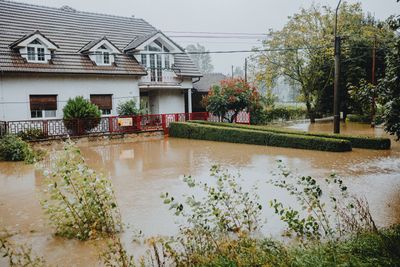
The picture gets more complicated with other causes. Flood damage is generally handled under separate flood coverage rather than a standard homeowners policy, which matters a great deal in our region. Damage tied to a tree that was already dead or visibly hazardous can raise questions about maintenance and neglect. Trees that fail from long-term decay rather than a specific event may be viewed differently from those brought down by a named storm.
Because these distinctions decide claims, documenting the condition of your trees before anything happens is worth the effort. Photographs taken during a routine inspection establish that a tree was healthy, which is useful if it later comes down in wind.
Many policies include some allowance for removing fallen trees and debris, and that allowance is commonly capped at a figure well below what a large removal costs. The amount, the conditions attached to it, and whether it applies per tree or per event all vary by policy.
Do not assume the allowance covers the whole job. Ask your insurer what the limit is, what triggers it, and how it interacts with your deductible. On a large tree in a difficult location, the gap between the allowance and the actual cost can be substantial, and knowing that number in advance changes how you plan.
Neighbor tree questions come up constantly and rarely have the intuitive answer. In many situations, damage to your property is handled by your own policy regardless of which side of the line the tree grew on. Pursuing a neighbor generally requires establishing that they knew or should have known the tree was hazardous and failed to act, which is a legal question rather than an insurance one.
If you believe a neighbor’s tree is dangerous, the practical step is to document your concern in writing and keep a copy. That record matters far more later than a verbal conversation. For anything involving liability, consult an attorney rather than relying on general guidance.
Our post on what to do when a tree falls on your property covers the immediate steps in detail, and our guide to emergency tree removal in Louisiana covers the response side.
Homeowners often ask whether insurance will pay to remove a tree that looks dangerous before it falls. Standard policies generally respond to losses that have occurred rather than funding maintenance intended to prevent them.
That makes proactive tree care an out-of-pocket expense, and it is usually a much smaller one than the alternative. Removing a declining tree on your schedule costs less than emergency work after a failure, and it avoids the deductible, the repairs, and the disruption entirely. Our post on removing dead trees covers why waiting makes the job harder, and pre-season tree trimming reduces the odds of a claim in the first place.
Call your agent and get these answers in writing before storm season rather than during it.
We cannot answer insurance questions, and we will not pretend to. What we can do is provide clear, itemized documentation that supports whatever claim you file, and remove the tree properly. Read our guide on preparing your property for tree removal to know what to expect.
We provide tree removal, tree trimming, and stump grinding across the communities on our service area page. Contact Big Easy Tree Cutting or call 504-732-9714.
It depends on your policy, the cause of the loss, and what the tree damaged, so only your insurer can answer for your situation. A common pattern is that policies respond when a tree damages a covered structure, while a tree that falls in the yard and hits nothing is often treated as a maintenance expense with at most a limited debris removal allowance. Confirm the specifics with your carrier.
Standard homeowners policies generally respond to losses that have already occurred rather than funding preventive maintenance, so proactive removal is usually an out-of-pocket expense. It is typically far less costly than emergency work plus repairs after a failure. Ask your insurer directly, since endorsements and policy forms vary.
In many situations damage to your property is handled by your own policy regardless of where the tree grew. Holding a neighbor responsible generally requires showing they knew or should have known the tree was hazardous and failed to act, which is a legal question. Documenting concerns in writing before a failure is more useful than a verbal conversation afterward.
Many policies include a capped allowance for removing fallen trees and debris, and that cap is often well below the cost of a large removal. The limit, the conditions attached, and whether it applies per tree or per event all vary by policy. Ask your insurer for the specific figure and how your deductible interacts with it.
Flood damage is generally addressed under separate flood coverage rather than a standard homeowners policy, which is significant in our region. Whether a particular failure is attributed to wind, flood, or another cause can affect which policy responds. Report the loss and let your insurer make that determination based on the facts.
Photographs taken before anything is moved, wide enough to establish the scene and close enough to show detail, along with every receipt related to the event. Ask your tree service for an itemized invoice that separates emergency response, removal, and disposal, since insurers often treat those differently. Records of prior inspections showing the tree was healthy can also be useful.
 By Admin
  Sep 5, 2026