Call Us Now: 504-732-9714
Call Us Now: 504-732-9714

A removed tree leaves behind more material than most people expect: trunk sections, larger limbs, and a substantial volume of wood chips. You can have all of it hauled away, keep some of it, or put the chips to work in your landscape. This guide covers the practical options, the ones that work poorly in our climate, and the decision you need to make before the crew starts cutting.
This is the part homeowners most often get wrong by simply not raising it. How a crew cuts a tree depends on where the wood is going. Wood destined for a chipper gets cut differently from wood destined for a fireplace, and both differ from wood being saved for a sawmill.
Once a trunk has been bucked into short rounds, it cannot be recombined into a millable log. Say what you want during the estimate and get it written into the scope. Ask Big Easy Tree Cutting about your options while the tree is still standing rather than while it is on the ground.
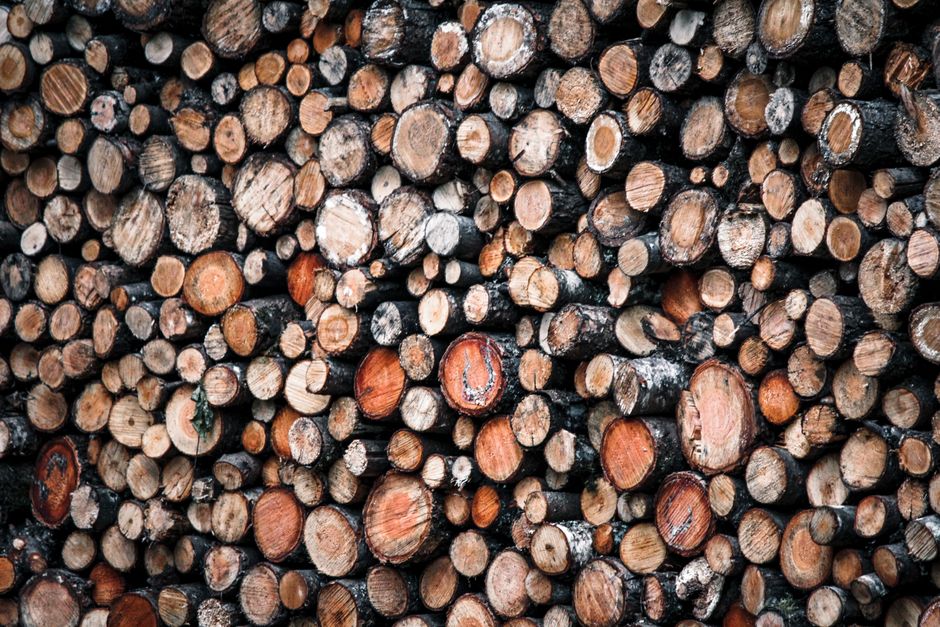
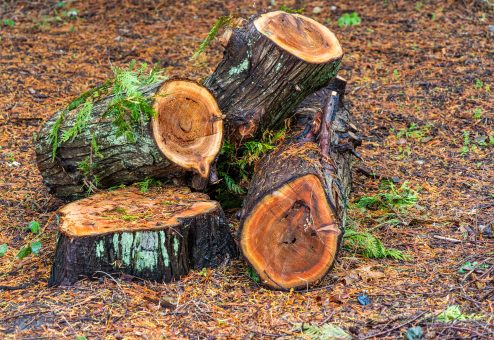
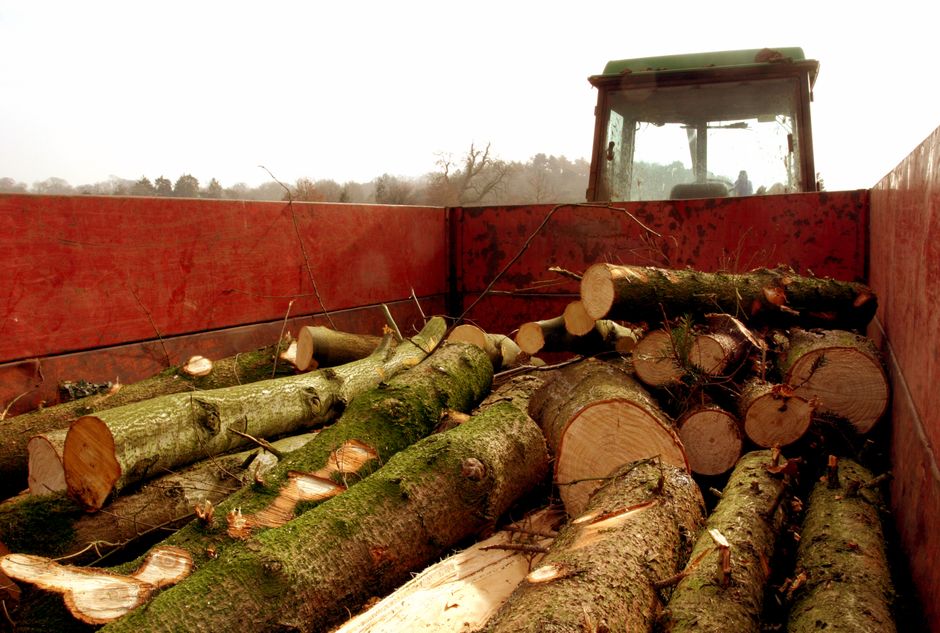
The simplest choice, and the right one for most homeowners. The crew chips the brush, loads the wood, and leaves you with a clean site. It costs more than the alternatives because it involves truck trips and disposal, and it is worth it if you have no use for the material or nowhere to keep it.
Ask whether hauling is included in the quoted price or listed separately. It is one of the most common sources of confusion on a tree invoice, and clarifying it in writing takes a sentence.
If you have a fireplace or fire pit, sound trunk sections and larger limbs can be cut to length and split. Two things determine whether this works out.
The first is species. Dense hardwoods such as oak burn well and produce lasting heat. Softer, faster-growing species burn quickly and produce more smoke, and some species are simply unpleasant to burn. Ask what the tree was before planning around it.
The second is drying time. Freshly cut wood holds a great deal of moisture and does not burn cleanly. Seasoning generally takes at least six months to a year depending on species, how the wood is split and stacked, and local conditions. Our humidity works against you here, so stack wood off the ground, in a single row where air can move through it, and covered on top while the sides stay open.
Termite pressure in the New Orleans area is significant, and stacking firewood against your house is a poor idea. Keep any wood pile well away from the structure and off direct ground contact, and bring in only what you plan to burn shortly rather than storing wood indoors. If you have an active termite management program, ask your pest professional where a wood pile can safely go on your property.
Wood chips from your own tree make serviceable mulch, and having the crew blow them into a bed rather than hauling them out reduces the cost of the job. Applied properly, mulch moderates soil temperature, holds moisture, and suppresses weeds.
Apply a layer of a few inches, and keep it pulled back from trunks and stems rather than piled against them. Mulch mounded against bark holds moisture where it does not belong and invites decay and pests. This applies to your remaining trees as much as to shrubs.
Fresh chips are best used on the surface rather than tilled into soil. As they decompose, microbes draw nitrogen from the surrounding soil, and mixing chips into a planting bed can leave new plants looking pale and growing slowly. On the surface, that effect is minimal. Where a tree needs help establishing in disturbed soil, deep root fertilization is a more direct solution.
A large, straight trunk from a desirable species can be worth milling into lumber, and some homeowners have a tree turned into a table or shelving as a way of keeping it. This requires planning before the removal.
Mills generally want long, straight sections without embedded metal, and old nails, fence staples, and hardware are common in yard trees. Mention any history of fencing or hanging things on the tree. The crew also needs to cut differently and stage the log somewhere it can be picked up, and you will need to arrange transport. It is a project rather than a byproduct, and worth it mainly for a tree with sentimental value or a genuinely good log.
Some material should not be kept regardless of what you had planned.
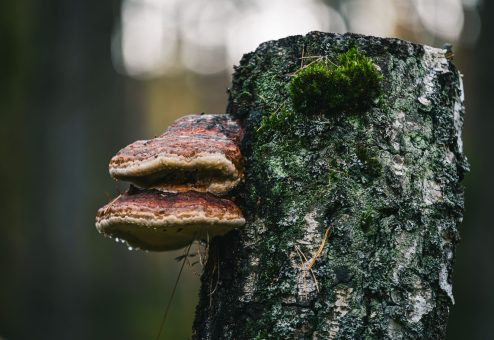
Ask your arborist what killed the tree before deciding. Where a pest or pathogen is involved, some material may also be subject to movement restrictions, so check with the applicable state agriculture or forestry agency rather than assuming. Our post on removing dead trees covers this in more detail.
Stump grinding produces its own pile of material, a mix of wood fibers and soil that is different from clean chips. It works acceptably as a rough mulch in an out-of-the-way area, though it is generally not what you want in a visible bed or as backfill for a new planting.
The better approach for a spot you intend to plant is to remove most of the grindings and backfill with quality topsoil. Our post on what happens to tree roots after removal covers that process, and our stump grinding service explains the work itself.
Whether you want everything gone or want to keep the trunk, the decision belongs in the estimate rather than in a conversation on removal day. Our guides on preparing your property for tree removal and how long tree removal takes cover the rest of the planning.
We provide tree removal and tree trimming across the communities on our service area page. Contact Big Easy Tree Cutting or call 504-732-9714.
Usually yes, if you say so before the work begins. The crew cuts and stacks differently depending on whether wood is going to a chipper, a woodpile, or a sawmill, and that decision cannot be reversed once a trunk has been bucked into short rounds. Put it in the written scope along with where you want the wood placed.
Generally at least six months to a year, and longer for dense hardwoods. The time depends on species, how finely the wood is split, how it is stacked, and local humidity, which works against drying in our climate. Stack it off the ground in a single row with air moving through, and cover the top while leaving the sides open.
It is generally discouraged, particularly here where termite pressure is significant. Keep any wood pile well away from the structure and off direct ground contact, and bring inside only what you plan to burn shortly. If you have a termite management program in place, ask your pest professional where a pile can go on your property.
Yes, on the surface. Apply a few inches and keep the mulch pulled back from trunks and stems rather than piled against bark. Avoid tilling fresh chips into planting beds, since decomposing wood ties up soil nitrogen and can slow new plantings. On top of the soil that effect is minimal.
Ask your arborist what killed the tree before deciding, since some pathogens persist in cut wood and can spread to other trees. Where disease or an active insect infestation is involved, having the material removed from the property is usually the safer choice. Some material may also be subject to movement restrictions, so check with the applicable state agency rather than assuming.
It can be, for a large, straight log of a desirable species with no embedded metal. It requires planning before the removal so the crew cuts long sections and stages the log for pickup, and you will need to arrange transport to a mill. Old nails and fence hardware are common in yard trees and will be a problem, so mention any history of fencing on the tree.
 By Admin
  Sep 12, 2026