Call Us Now: 504-732-9714
Call Us Now: 504-732-9714

Hiring a tree removal company is one of the few home services decisions where the wrong choice can put a limb through your roof or leave you exposed to a liability claim. The checks that matter are specific and take about twenty minutes to run. This guide covers what to verify, what a proper estimate contains, and the warning signs that show up most often in the weeks after a storm.
Tree work combines heavy loads, height, cutting equipment, and often proximity to a house. When it is done well, nothing memorable happens. When it is done badly, the outcomes range from a rutted lawn to a damaged structure to an injured worker on your property with an open question about who is responsible.
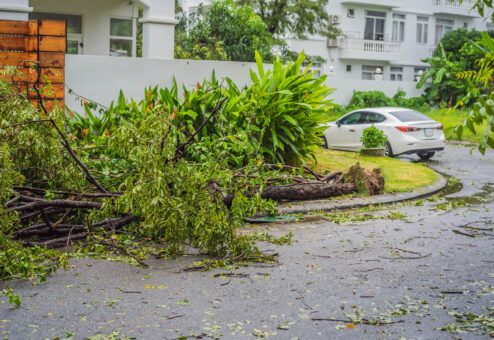
Our region adds a seasonal complication. After a significant storm, demand spikes and out-of-area operators arrive looking for work. Some are competent. Others are not, and the pressure of a damaged property makes homeowners skip checks they would normally run. The advice below applies whether you hire Big Easy Tree Cutting or anyone else, and it is worth following either way.
This is the single most important check and the one most frequently skipped. Ask for a current certificate of insurance and read it rather than glancing at it.
Look for general liability coverage and workers’ compensation coverage for the crew. A certificate shows that coverage was reported at a particular point in time, which is not the same as a guarantee that any specific claim will be paid. Coverage depends on policy terms, exclusions, limits, employment status, and how subcontractors are handled. For a job of any size, or any tree near a structure, call the issuing agency listed on the certificate and confirm the policy is active.
The reason this matters is straightforward. If an uninsured worker is hurt on your property, or an uninsured crew damages your house, the question of who pays becomes yours to sort out. Confirm with your own insurer how your policy treats work performed by contractors on your property.
Ask what licenses and credentials the company holds, get the numbers, and verify them with the issuing body rather than accepting a claim on a website or a truck door. Requirements can vary by the type of work and the jurisdiction, so ask specifically what applies to the work at your property.
Credentials worth asking about include arborist certification through a recognized professional body, which can typically be checked through that organization’s public directory. Where a credential is claimed, ask for the name it is registered under and confirm it is current rather than lapsed. A company that is properly credentialed will not object to being verified.
A written estimate should leave nothing to interpretation. At minimum it should specify:
Get at least a couple of written estimates for a significant job. Comparing them is only meaningful when each one describes the same scope, so read them side by side rather than comparing bottom-line figures. A lower number that excludes the stump and leaves the wood is not actually lower.
None of the following proves anything on its own, and several have innocent explanations. Together they are a pattern worth stepping back from.
That last item is a useful competence test. A company that offers to top your trees is telling you something about its standards without meaning to.

The estimate visit tells you more than any review. Watch whether the estimator actually walks the property, looks at the base of the tree, checks access for equipment, and asks about buried utilities and irrigation. Someone who quotes from the curb has not assessed the job.
Good questions from an estimator are a positive signal: what do you want done with the wood, is there anything fragile you want protected, has the area ever had drainage work, do you know where your septic components are. Someone thinking through the job asks those things. Our post on preparing your property for tree removal covers what the visit should establish.
It is also fair to ask whether removal is genuinely necessary. A company willing to say a tree can be saved with pruning is giving you information against its own short-term interest, which is usually a good sign. Our guide on when a tree needs to be removed covers what that assessment involves.
Read reviews for specifics rather than star counts. Comments describing cleanup, communication, and how the company handled a problem tell you more than a wall of five-star ratings with no detail. Ask for references from jobs similar to yours, particularly if your removal involves tight access or a crane.
Check that review counts and ratings you rely on are current by looking at the platform profile directly rather than at a figure quoted on a company website. Our testimonials page collects customer feedback, and you can learn more about our team.
Settle who is responsible for any local approvals before work starts. Requirements vary by jurisdiction and by where the tree stands, and construction-related removals can involve additional review. Confirm current requirements with the applicable city or parish department. Our construction permitting service manages that process for project work.
For a related checklist covering pruning contractors, see our post on choosing a tree trimming company in New Orleans. And if you are weighing whether to handle it yourself, read our post on the dangers of DIY tree removal first.
We are happy to be measured against every check in this article. We provide tree removal and stump grinding across the communities listed on our service area page, and our FAQs page answers more common questions.
Contact Big Easy Tree Cutting or call 504-732-9714 for a written estimate.
Ask for a current certificate showing general liability coverage and workers’ compensation coverage for the crew working on your property. A certificate reflects coverage reported at a point in time and does not guarantee that any particular claim will be paid, since that depends on policy terms, exclusions, limits, and employment status. For any job near a structure, call the issuing agency to confirm the policy is active.
At least two for a significant removal, and more if the numbers vary widely. Compare the described scope rather than the bottom line, since a lower figure that excludes stump grinding, leaves the wood, or reduces cleanup is not really lower. Ask each company to quote the same scope so the comparison means something.
Substantial deposits before any work is scheduled are worth questioning, particularly from a company that approached you rather than the other way around. Payment terms should be written into the estimate along with what triggers each payment. Ask what the deposit is for, and be cautious about cash-only arrangements with no written contract.
Not without running the same checks you would run on any other contractor, and the pressure of a damaged property makes that harder to remember. Verify insurance, get the scope in writing, and confirm the company has a verifiable local presence. Legitimate companies will wait while you check, and the ones that will not are telling you something.
Topping, meaning cutting main limbs back to stubs, is contrary to accepted arboricultural practice because it creates weak regrowth and decay entry points. A company recommending it as a general solution is signaling a gap in its knowledge. Crown reduction performed with proper cuts is the appropriate technique when a canopy genuinely needs to be smaller.
Ask for the license or certification numbers and the exact name they are registered under, then check them with the issuing agency or professional body rather than relying on a website claim. Ask specifically which credentials apply to the work at your property, since requirements can vary by job type and jurisdiction. A properly credentialed company will not object to verification.
 By Admin
  Sep 8, 2026