Call Us Now: 504-732-9714
Call Us Now: 504-732-9714

Tree trimming is one of the most effective ways to prevent tree disease in Louisiana, where the humid subtropical climate creates ideal conditions for fungal infections, bacterial pathogens, and insect-borne illnesses. Regular pruning improves airflow through the canopy, removes infected branches before disease can spread, and strengthens the overall structure of the tree. Homeowners who invest in proper trimming schedules can protect their live oaks, magnolias, and other native species from devastating conditions like oak wilt, bacterial leaf scorch, and hypoxylon canker.
Louisiana’s warm, wet weather is a paradise for trees, but it is also a breeding ground for the organisms that attack them. High humidity, heavy rainfall, and mild winters allow fungi, bacteria, and harmful insects to thrive year-round. Unlike drier regions where cold winters kill off many pathogens, Louisiana’s climate lets disease pressures build continuously, putting trees in New Orleans and surrounding areas under constant threat.
The dense canopies common on mature live oaks, Southern magnolias, and bald cypress trees compound the problem. When branches grow thick and overlapping, moisture gets trapped inside the canopy, creating the dark, damp conditions fungi need to colonize bark and wood. At Big Easy Tree Cutting, we see firsthand how untrimmed trees become hotspots for disease, especially during the long, humid summer months that define our region.
Several serious tree diseases are prevalent across Louisiana, and understanding them is the first step toward prevention. Oak wilt is a fungal disease that attacks the vascular system of oaks, cutting off water and nutrient flow. It spreads through root grafts between neighboring trees and through sap-feeding beetles that carry spores to fresh wounds. Once a tree is fully infected, recovery is unlikely, making prevention through proper tree trimming essential.
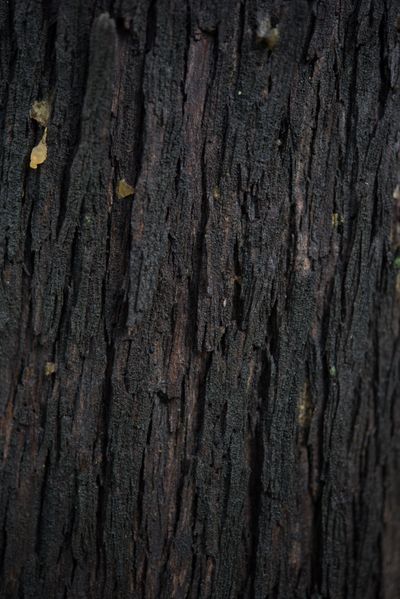
Bacterial leaf scorch is another widespread problem, particularly among shade trees in urban areas, causing leaf margins to brown and die progressively. Hypoxylon canker takes hold in trees already weakened by drought, compacted soil, or root damage. The fungus lives dormant beneath the bark and becomes active when the tree is stressed, producing dark, crusty mats on trunks and branches. Root rot, caused by water mold species, attacks trees in poorly drained soils and can kill a tree from the ground up without visible warning until it is too late.
The single most important thing trimming does for disease prevention is open up the canopy to allow air and sunlight to penetrate. Fungi require moisture to germinate and grow, and a dense, shaded canopy holds moisture far longer than a well-thinned one. When a certified arborist performs crown thinning, they selectively remove interior branches to create space between limbs without changing the overall shape of the tree. This allows wind to move through the canopy, drying out leaves and bark more quickly after rain.
Improved air circulation is especially critical for Louisiana’s live oaks, which develop broad, spreading canopies that can span over 100 feet. Without periodic thinning, the interior becomes a stagnant pocket of humid air where fungal spores settle and multiply. Regular trimming breaks up these pockets and reduces the conditions that allow infections to take hold. Homeowners who want to learn more about the advantages of keeping their trees pruned can review the 8 benefits of regular tree trimming.
Dead branches are not just an eyesore or a falling hazard. They are active reservoirs of disease. Fungi and bacteria colonize dead wood quickly, using it as a base to spread into healthy tissue. A single dead limb infected with a canker-causing fungus can release millions of spores into the surrounding canopy every time it rains. Professional dead wood removal eliminates these infection sources and gives the rest of the tree a much better chance at staying healthy.
When removing diseased wood, the location and angle of each cut matters. Arborists cut well below the visible edge of infection to ensure all compromised tissue is removed. They also avoid cutting into the branch collar, the swollen area where a branch meets the trunk, because the collar contains specialized cells that seal over the wound. A clean cut that preserves the collar heals faster and creates a smaller window for new infections to enter.
One detail that separates professional disease-prevention pruning from casual trimming is tool hygiene. Pruning tools that contact infected wood pick up pathogens on their blades, and every subsequent cut introduces those pathogens into healthy tissue. This is how diseases like bacterial leaf scorch and oak wilt spread rapidly when someone prunes multiple trees with the same dirty saw. Professional arborists sanitize their cutting tools with a bleach solution or isopropyl alcohol between every tree, and often between individual cuts on infected specimens.
Proper sanitation is a key reason why hiring a professional matters when disease is suspected. Homeowners who prune a sick tree without sterilizing their tools risk spreading the problem to every other tree they touch. Pairing pruning with proper fertilization after the work is done helps trees recover faster and build stronger defenses against future infections.
When you prune is just as important as how you prune, especially in Louisiana. Oak tree trimming requires particular attention to seasonal timing because of oak wilt. The beetles that carry oak wilt spores are most active from February through June. Pruning oaks during this window creates fresh wounds that attract these beetles, effectively inviting the disease onto your property. The safest time to prune oaks is during the dormant season, from late fall through mid-winter, when beetle activity is lowest.
For other species, timing depends on their growth cycle and the specific diseases they face. Understanding the best time to trim trees in New Orleans helps homeowners avoid increasing their trees’ vulnerability. Avoiding heavy pruning during active growth reduces stress and gives wounds more time to close before the next wave of insects and pathogens arrives.
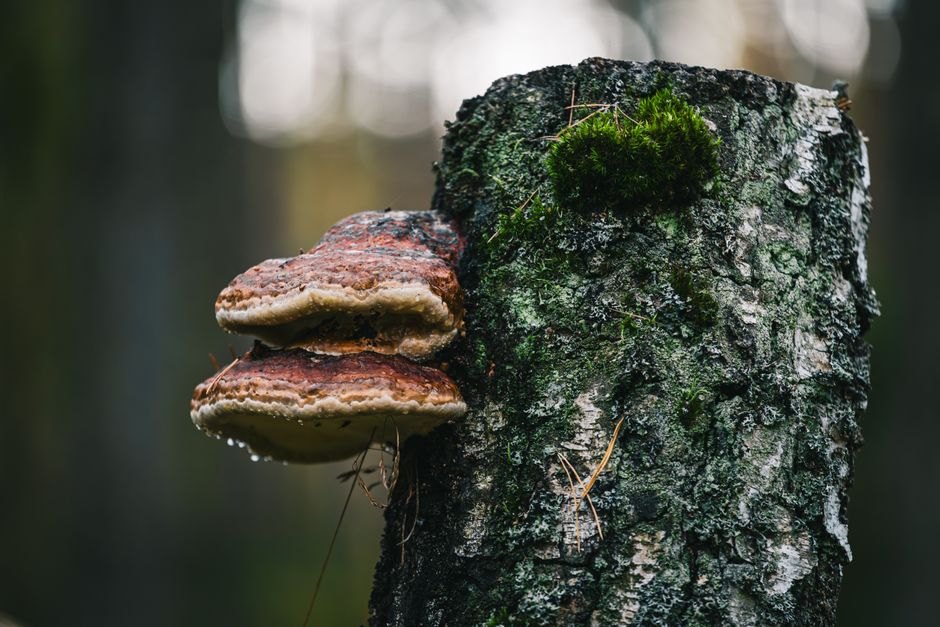
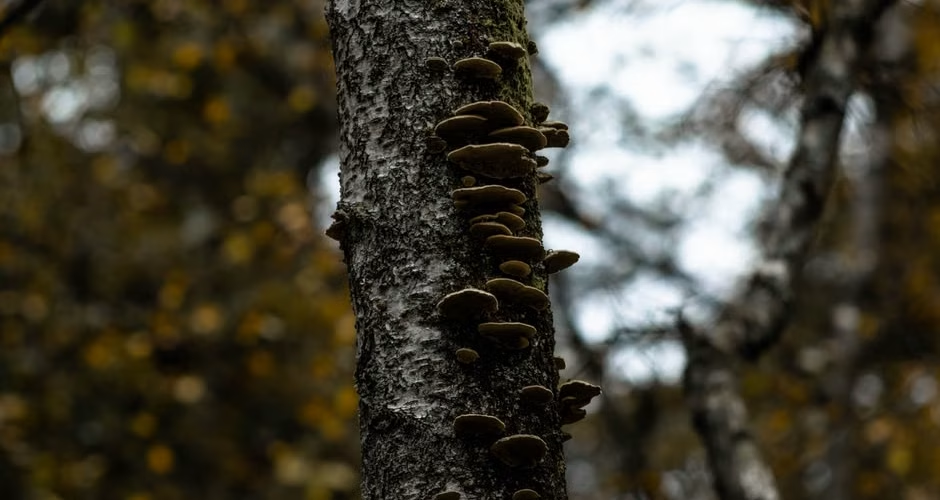
Early detection gives trees the best chance of surviving a disease. Homeowners should inspect their trees regularly for warning signs like leaves that yellow, brown, or drop outside of normal seasonal patterns. Dark or sunken bark patches often indicate canker diseases. Mushrooms or bracket fungi growing on the trunk or base point to internal decay or root rot. Excessive deadwood in the canopy, along with thinning foliage and stunted new growth, suggests serious stress.
If you notice any of these symptoms, acting quickly matters. Knowing how often to trim trees in Louisiana and staying on a consistent schedule is one of the best preventive measures. When disease has already taken hold and the tree cannot be saved through pruning, tree removal may be necessary to protect the remaining trees on your property from infection.
Do not wait until a tree looks severely damaged to take action. Contact Big Easy Tree Cutting or call 504-732-9714 to schedule an inspection. Our team understands the disease pressures Louisiana trees face and can design a trimming plan that keeps your landscape healthy for years to come.
Trimming opens up the canopy to improve air circulation and sunlight penetration, which reduces the moisture levels that fungi and bacteria need to thrive. It also removes dead and infected branches that serve as reservoirs for pathogens, stopping disease from spreading to healthy parts of the tree.
The most prevalent tree diseases in Louisiana include oak wilt, bacterial leaf scorch, hypoxylon canker, and various forms of root rot. These conditions thrive in the state’s warm, humid climate and can affect live oaks, water oaks, magnolias, and many other native species.
The safest window for pruning oaks in Louisiana is during the dormant season, from late November through January. The beetles that carry oak wilt spores are most active from February through June, so pruning during that period creates fresh wounds that attract disease-carrying insects.
Pruning tools that contact infected wood can transfer pathogens to healthy trees with every subsequent cut. Professional arborists sanitize their blades with bleach or isopropyl alcohol between trees and between cuts on infected trees to prevent cross-contamination.
Common warning signs include premature leaf drop, yellowing or browning leaves outside of fall, dark or sunken patches on the bark, fungal growth on the trunk, excessive deadwood in the canopy, and stunted new growth. Any of these symptoms warrant a professional inspection.
In many cases, yes, especially when the disease is caught early and has not spread throughout the tree. Removing infected branches, improving airflow through crown thinning, and following up with proper fertilization can help a tree recover. However, if the disease has compromised the trunk or root system, removal may be the only safe option.
 By Admin
  Jul 6, 2026