Call Us Now: 504-732-9714
Call Us Now: 504-732-9714

Oak tree trimming in New Orleans requires specialized knowledge because of the city’s iconic live oaks and water oaks, which demand species-specific pruning techniques and careful seasonal timing. Proper trimming protects these valuable trees from oak wilt disease, improves structural integrity against hurricane-force winds, and preserves the sweeping canopies that define neighborhoods across the Greater New Orleans area. Homeowners who understand the unique needs of their oaks can keep them thriving for generations.
New Orleans is home to some of the most magnificent oak trees in the country. The live oaks at City Park, some estimated to be over 800 years old, and the towering specimens lining the paths of Audubon Park are living landmarks that reflect the character of the city. But these trees did not reach that stature without proper care, and the oaks in your yard need the same thoughtful approach. At Big Easy Tree Cutting, we work with homeowners across New Orleans to maintain healthy, structurally sound oaks through expert pruning.
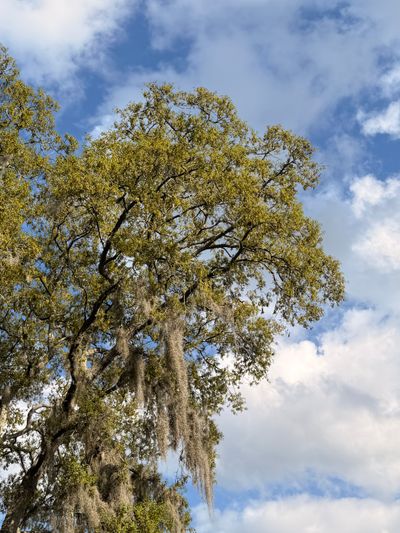
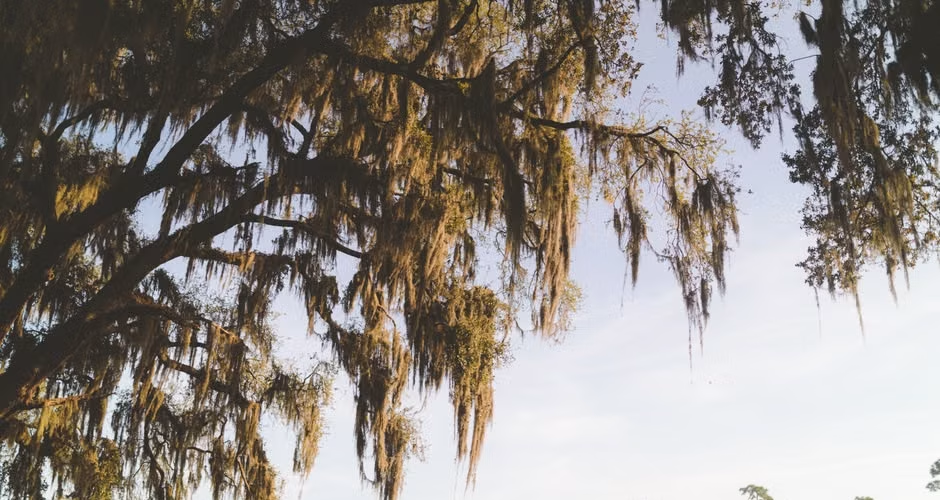
Live oaks are unlike most deciduous trees because they are semi-evergreen, shedding and replacing their leaves gradually in the spring rather than dropping them all at once in fall. Their massive horizontal branches can extend 60 feet or more from the trunk, creating the broad, shady canopies draped in Spanish moss that define New Orleans streetscapes. Water oaks, the other common species in the area, grow faster but have shorter lifespans and weaker wood, making them more prone to storm damage. Both species benefit greatly from professional oak tree trimming tailored to their individual growth patterns.
Timing is one of the most critical factors in oak tree trimming, and getting it wrong can expose your tree to deadly disease. Oak wilt, a fungal infection that destroys the vascular system of oaks, is spread by nitidulid beetles that are attracted to fresh pruning wounds. These beetles are most active from February through June in Louisiana, which means any cuts made during that window put your oaks at significant risk. The safest period for trimming oaks is from late summer through winter, roughly July through January, when beetle activity drops to its lowest levels.
Understanding the best time to trim trees in New Orleans is especially important for oak species because of this disease vector. If emergency pruning is needed during the high-risk months, such as removing a broken branch after a spring storm, the wound should be sealed immediately with pruning paint to prevent beetle access. Outside of emergencies, all planned oak trimming should be scheduled during the safe window.
Professional oak trimming involves several techniques selected based on the tree’s age, condition, and the homeowner’s goals. Crown reduction is used to decrease the overall size of the canopy by shortening branches back to appropriate lateral limbs. This is particularly important for live oaks growing near power lines, roofs, or neighboring structures, where unchecked growth creates costly problems.
Canopy thinning removes select interior branches to allow wind and sunlight to pass through the crown. For live oaks, which develop extremely dense foliage, thinning reduces wind resistance during hurricanes and lowers the chance of major limb failure. Proper canopy management also discourages fungal growth by improving air circulation throughout the tree. Deadwood removal is another standard practice, targeting dead, dying, or broken branches that pose falling hazards and serve as entry points for disease and decay.
Structural pruning is essential for younger oaks, establishing a strong central leader and well-spaced scaffold branches that will support the tree as it matures. Investing in proper structure early prevents the need for heavy corrective pruning later, which is both more expensive and more stressful on the tree. This approach falls under the broader category of seasonal pruning, where work is planned around the tree’s growth cycle for the best results.
New Orleans has some of the strongest tree protection ordinances in the South. Trees with a trunk diameter of 24 inches or more at breast height are classified as significant trees under city code, and removing or severely pruning them without a permit can result in substantial fines. Heritage live oaks found in Uptown, the Garden District, and along St. Charles Avenue receive additional protections.
Before any major tree trimming work on a large oak, confirm whether a permit is required. A professional tree service familiar with local regulations can guide you through the process and ensure all work stays within legal boundaries.
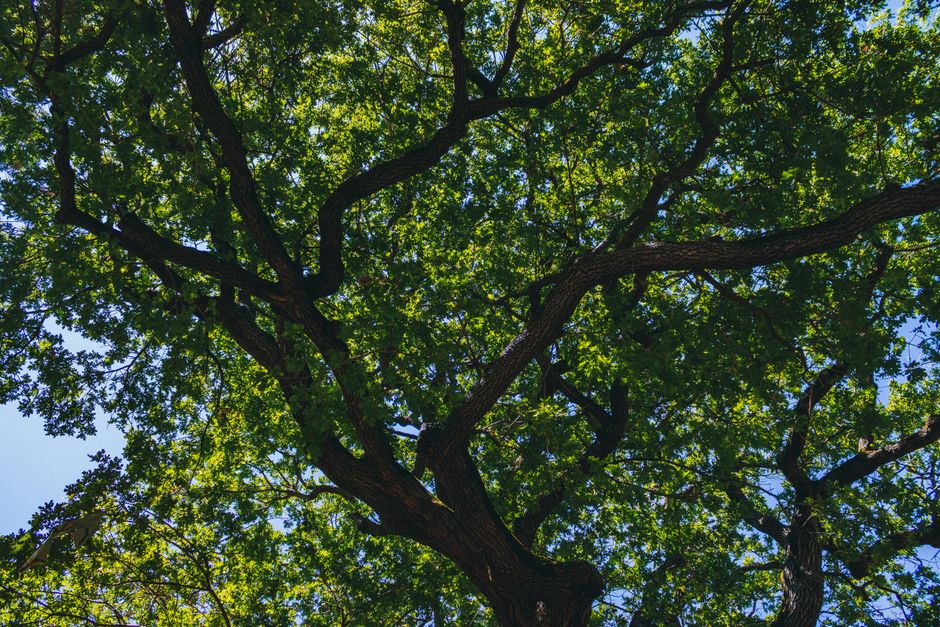
Recognizing the signs that an oak tree needs professional attention can save you from expensive damage down the road. Dead branches visible in the canopy, especially large ones over four inches in diameter, are the most obvious indicator. Branches that cross, rub against each other, or grow inward toward the trunk create wounds that invite disease and weaken the tree’s structure over time.
A canopy so dense that little light reaches the ground beneath it often signals the need for thinning. Excessive moss or lichen buildup, while not harmful on its own, can indicate poor airflow that benefits from professional attention. Preparing your oaks for storm season is also a critical consideration, and our guide on tree trimming for hurricane season explains how proper pruning reduces wind damage. If your oak has not been trimmed in three or more years, scheduling an evaluation is a smart preventive step.
Improper pruning causes more harm than no pruning at all. Topping, the practice of cutting main branches back to stubs, triggers a flush of weak sprouts far more vulnerable to breakage than the original branches. It also removes a massive portion of the tree’s leaf area, starving the root system and leaving the tree susceptible to decline. Our article on why you should never top a tree explains why this practice is so destructive.
Flush cuts, where a branch is cut too close to the trunk, prevent proper wound closure and create entry points for decay fungi. Over-thinning, or removing more than 25 percent of the canopy in a single session, shocks the tree and can trigger sunscald on previously shaded bark.
Trimming is the foundation of oak care, but healthy trees also benefit from a complete maintenance approach. Proper fertilization replenishes soil nutrients that urban oaks often lack due to compacted ground, paved surfaces, and competition from lawn grasses. A well-maintained oak also contributes significantly to property value, and homeowners interested in the visual benefits of tree care should explore how tree trimming boosts curb appeal.
If you have oak trees on your New Orleans property that need professional trimming, do not wait until storm season to take action. Contact Big Easy Tree Cutting or call 504-732-9714 to schedule a consultation. Our team specializes in the species-specific care that New Orleans oaks require, and we will help you protect these irreplaceable trees for decades to come.
The safest time to trim oaks in the New Orleans area is from late July through January, outside the oak wilt beetle season that runs from February through June. Trimming during the safe window minimizes the risk of attracting nitidulid beetles that carry oak wilt fungal spores to fresh pruning wounds.
Live oaks are semi-evergreen trees with dense, spreading canopies that require periodic thinning and structural pruning to manage their massive horizontal branches. Water oaks grow faster and produce weaker wood, so they need more frequent trimming to remove deadwood and reduce the risk of limb failure during storms.
You generally do not need a permit for routine pruning, but significant trimming or removal of trees with a trunk diameter of 24 inches or more at breast height may require city approval. Consulting with a professional tree service before beginning work on large oaks helps you stay compliant with local ordinances.
Mature live oaks in good health typically benefit from professional trimming every three to five years. Younger oaks being structurally trained and water oaks with faster growth may need attention every two to three years to maintain proper form and remove weak or dead branches.
Common signs include dead branches visible in the canopy, limbs crossing or rubbing together, a canopy so thick that sunlight cannot penetrate, branches growing over your roof or into power lines, and any visible damage from recent storms. If your oak has not been professionally evaluated in over three years, scheduling an inspection is advisable.
Yes, practices like topping, flush cutting, and over-pruning can severely damage or eventually kill an oak tree. These mistakes remove too much foliage, create large wounds vulnerable to disease, and trigger weak regrowth that is prone to failure. Always hire a qualified arborist who understands proper oak pruning techniques.
 By Admin
  Jun 8, 2026