 By Admin
  Jul 6, 2026
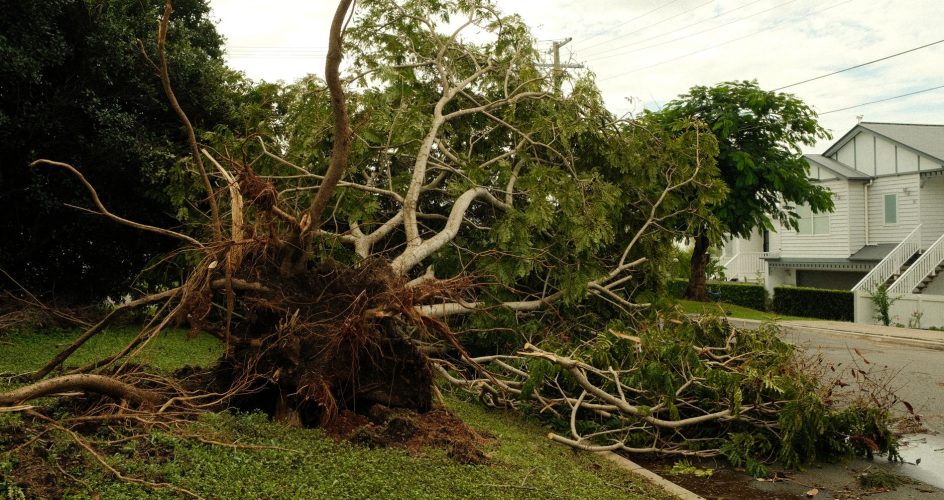
 When a tree falls on your property in New Orleans, your first priority is getting everyone to safety and away from the structure. Once safe, call 911 if there are injuries or downed power lines, then document all damage with photos before contacting your insurance company. From there, reach out to a licensed emergency tree service to secure and remove the fallen tree before additional storms cause more harm.
New Orleans sits in one of the most storm-active corridors in the country. From named hurricanes to the fast-moving afternoon thunderstorms that roll in off Lake Pontchartrain every summer, the trees on your property face serious stress year after year. When one finally comes down, it rarely happens at a convenient time, and it almost never falls in a convenient direction.
Whether a live oak split in the night or a pine toppled onto your roof during a tropical system, the steps you take in the first few hours matter enormously. Big Easy Tree Cutting has responded to hundreds of these situations across the New Orleans area, and this guide walks you through exactly what to do, in order, so you can protect your family, your property, and your insurance claim.
If you’ve already read enough and just need help right now, call us at (504) 732-9714. We offer free estimates and are ready to respond.
A Note on New Orleans Trees and Storm Risk
The trees that make New Orleans neighborhoods so beautiful are also the ones most likely to cause problems after a storm. Mature live oaks, southern magnolias, and water oaks grow large root systems that can be weakened by our saturated, clay-heavy soil. After heavy rain, the ground loses its grip on root balls, and trees that looked perfectly healthy can topple under relatively moderate wind.
Hurricane season runs June through November, but some of the worst tree damage in recent years has come from fast-moving summer storms that produce wind gusts over 60 mph with little warning. If you haven’t had your trees inspected before storm season, reading Tree Trimming for Hurricane Season is a good starting point for understanding what to look for.
Once a tree is already down, though, prevention is behind you. Here is what to do next.
Step-by-Step: What to Do When a Tree Falls on Your Property

Step 1: Get Everyone Out and Away From the Structure
The single most important thing you can do in the first 60 seconds is get every person and pet away from the damaged area. A fallen tree can compromise the structural integrity of a roof, wall, or floor in ways that aren’t immediately visible. What looks like a stable situation can shift as the weight of the tree settles or as a rain-soaked ceiling begins to give way.
Do not go back inside to grab belongings until a professional has confirmed the structure is safe. This applies even if the damage looks minor from outside. If the tree struck a wall or roof section, assume that area is unstable until proven otherwise.
If you smell gas at any point, leave immediately and call your gas provider from a safe distance. Do not use any light switches or open flames inside. Contact Entergy or your utility provider to shut off power and gas before anyone re-enters.
Step 2: Call 911 If There Are Injuries or Downed Power Lines
If anyone is injured, call 911 first. Emergency services can also help secure the scene and will contact Entergy if power lines are involved. Downed lines are a life-threatening hazard, even if they appear dead. Stay at least 30 feet away and keep others back as well.
In New Orleans, after a major storm, emergency lines may be busy. If the situation is not life-threatening but lines are down, you can also call Entergy directly at their outage line to report the hazard and request a crew.
Once you’ve confirmed everyone is safe and utilities are addressed, you can move to the next steps without waiting for a full emergency response if none is needed.
Step 3: Document Everything With Photos and Video
Before anything is moved, tarped, or cleaned up, document the damage as thoroughly as possible. This documentation is the foundation of your insurance claim, and adjusters will want to see the original state of the damage before any work began.
Walk the full perimeter of your property and capture:
- The full length of the fallen tree, including the root ball and stump
- Every point of contact between the tree and your structure, fence, or vehicle
- Interior damage if safe to access, including ceiling damage, broken windows, and water intrusion
- Any secondary damage, such as gutters pulled away or siding cracked by limbs
- Wide-angle shots that show the tree’s relationship to your home from multiple angles
Date and timestamp your photos if possible. If your phone doesn’t do this automatically, note the time in a text message or email to yourself immediately after shooting. This creates a verifiable record.
Step 4: Call Your Insurance Company
Contact your homeowner’s insurance provider as soon as documentation is complete. Most policies cover damage to your home caused by a fallen tree, even if the tree came from a neighbor’s yard, as long as the neighbor was not demonstrably negligent about a known hazard.
When you call, be ready to provide:
- Your policy number and contact information
- The date and approximate time the tree fell
- A description of what the tree struck and the extent of visible damage
- Confirmation that you’ve documented the scene with photos
- Whether emergency temporary repairs are needed to prevent further damage
Ask your adjuster directly whether emergency tree removal is covered and whether you need to wait for their inspection before authorizing any work. Many policies allow you to proceed with emergency tarping and hazard removal right away. Understanding cost expectations is also helpful before authorizing any work. The Tree Removal Cost New Orleans 2026 guide can help you understand what you’re likely to see on an estimate.
Step 5: Call a Licensed Emergency Tree Service, Not a Chainsaw
Once your insurance company is notified and the scene is documented, it’s time to call a professional. This is not the moment for a DIY approach. A tree that has fallen onto a structure is under tension in ways that are not obvious to the untrained eye. Cutting the wrong section first can cause the trunk to spring, the roof to collapse further, or additional limbs to shift and fall.
Professional tree removal from a licensed crew means the tree is assessed before a single cut is made. Weight distribution, anchor points, and the condition of the structure beneath the tree all factor into the removal sequence. Getting this wrong has serious consequences. If you’ve ever wondered why professionals recommend against DIY in these situations, DIY vs Professional Tree Removal lays out the risks clearly.
Big Easy Tree Cutting provides emergency tree trimming and removal services across the New Orleans area. Our crews are experienced with storm-damage scenarios specific to this region, including the saturated soil conditions and large canopy trees that define the neighborhoods we work in. Call (504) 732-9714 for a free estimate.
What Not to Do After a Tree Falls
Knowing what to avoid is just as important as knowing the right steps. Some of the most common mistakes homeowners make after a tree falls end up costing them money or creating safety hazards that didn’t exist before.
Avoid these actions until a professional has assessed the situation:
- Do not attempt to cut the tree yourself, especially if it is touching a structure or power line
- Do not move large sections of the tree without understanding the tension involved
- Do not enter rooms beneath a compromised roof or ceiling
- Do not sign any contracts with storm chasers or out-of-state crews who knock on your door after a major storm without verifying their license and insurance
- Do not wait too long to call your insurance company, as most policies have reporting deadlines
If you want a deeper look at the safety principles involved in working around downed trees and storm debris, Tree Trimming Safety Tips covers the core hazards and how licensed crews mitigate them.
After the Tree Is Removed: What Comes Next
Once the immediate emergency is handled and the fallen tree is cleared, there are a few more steps to take before you can consider the situation fully resolved.
Have the remaining trees on your property inspected. A storm that brought one tree down likely stressed others. Root systems in our clay-heavy soil can shift significantly during high winds, and a tree that is still standing may have suffered hidden structural damage that makes it a risk in the next storm.
If you’re in one of the neighborhoods we serve across greater New Orleans, our team can assess the rest of your canopy and let you know what is healthy, what needs trimming, and what should come down before hurricane season puts additional pressure on it. Check our service area to confirm we cover your neighborhood, then reach out for a free estimate.
Getting a professional assessment after a storm is the best way to avoid going through this process again in a few months. Proactive care is almost always less expensive and less disruptive than emergency response after the fact.
Frequently Asked Questions
Does homeowner’s insurance cover a tree that falls on my house in New Orleans?
In most cases, yes. Homeowner’s insurance typically covers damage to your structure caused by a fallen tree, regardless of whether the tree came from your yard or a neighbor’s. However, coverage for removing a tree that falls in your yard without hitting a structure may be limited or excluded. Review your specific policy and call your adjuster as soon as possible after the incident.
What if the tree that fell came from my neighbor’s yard?
Generally, your own homeowner’s insurance covers the damage to your property, even if the tree originated next door. The exception is if the neighbor had been notified of a hazardous tree condition and failed to act on it, in which case their liability coverage may apply. Document everything and let your insurance company guide the process.
How quickly can Big Easy Tree Cutting respond to a fallen tree emergency in New Orleans?
We respond to emergency calls as quickly as conditions allow. After a major storm, demand is high across the city, but we prioritize situations where a tree is actively resting on a structure or creating a safety hazard. Call us at (504) 732-9714 to get on our schedule and receive a free estimate.
Is it safe to stay in my house if a tree fell on the roof?
It depends on the severity of the impact and where the tree struck. If the roof has been breached, if you can see sky through the ceiling, or if any structural beams or walls appear compromised, do not remain in the affected area. Even if damage looks surface-level, have a structural assessment before sleeping in rooms beneath or adjacent to the impact point.
Can I cut up a fallen tree myself to save money?
For a small tree that has fallen into an open yard with no contact with structures, power lines, or fences, a careful homeowner with the right equipment may be able to handle cleanup. But any tree resting on a structure, vehicle, or power line should be handled by a licensed professional. The tension dynamics of a loaded tree are unpredictable, and the consequences of a mistake are severe. See our breakdown of DIY vs Professional Tree Removal for a full comparison.
If a tree has come down on your property and you need professional help fast, contact Big Easy Tree Cutting online or call (504) 732-9714 to request your free estimate. We serve homeowners across New Orleans and the surrounding parishes, and we know what it takes to handle storm damage safely in this city.