Call Us Now: 504-732-9714
Call Us Now: 504-732-9714

Commercial tree trimming is a critical part of property management that directly affects tenant safety, liability exposure, and curb appeal. Property managers who invest in scheduled tree maintenance protect their buildings, cut emergency costs, and stay compliant with local codes. Understanding what to look for and when to act can save thousands of dollars and prevent serious incidents on commercial properties.
Trees on commercial properties serve a different purpose than residential trees. They shape first impressions, provide shade for parking areas, frame building entrances, and contribute to the overall professional appearance of a business location. When those trees are neglected, the consequences go far beyond aesthetics. Overgrown branches can block signage, damage roofing, interfere with power lines, and create safety hazards for tenants and visitors. At Big Easy Tree Cutting, we work with property managers across New Orleans who understand that proactive tree care is not optional but essential.
For commercial property owners, the stakes are particularly high. A falling branch in a parking lot or walkway can result in personal injury claims, vehicle damage, and costly litigation. Insurance carriers often scrutinize tree maintenance records after an incident, and properties with documented trimming schedules are in a much stronger position to defend against liability claims. Regular tree trimming is one of the simplest ways to reduce risk while improving property value.
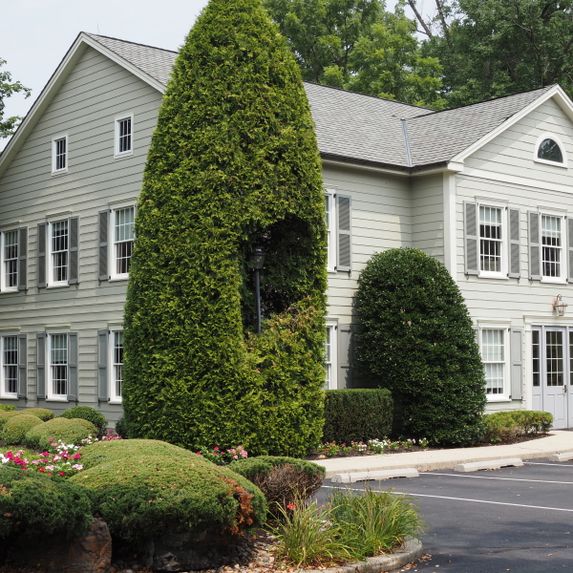
Liability is the number one reason property managers prioritize commercial tree care. Under premises liability law, property owners and managers have a duty to maintain safe conditions for anyone on the property. Dead branches, leaning trunks, and root systems that lift sidewalks all represent foreseeable hazards. If a property manager knew or should have known about a dangerous tree condition, they can be held responsible for resulting injuries or damage.
Beyond lawsuits, there are practical safety concerns that affect daily operations. Overgrown trees can obscure security cameras and lighting, creating blind spots that increase the risk of criminal activity. Low-hanging branches can block fire lanes or emergency exits. Root growth can crack foundations, lift parking surfaces, and compromise underground utilities. Addressing these issues through routine commercial tree trimming keeps properties safe and operational.
Following proper tree trimming safety practices is equally important. Hiring licensed professionals who carry adequate insurance and follow ANSI pruning standards protects managers from additional liability that comes with improper or DIY tree work.
One of the most effective strategies for managing trees across commercial properties is establishing a seasonal maintenance calendar. Rather than reacting to problems as they arise, a proactive schedule ensures that every property receives attention at the right time of year.
Winter (December through February): This is the ideal window for structural pruning on deciduous trees. Without leaves, arborists can clearly assess branch architecture and remove crossing, weak, or dead wood. Winter pruning also minimizes disease transmission for many species.
Spring (March through May): Focus on post-storm inspections, flowering tree maintenance, and early-season growth management. This is a good time to identify trees that may need removal before hurricane season begins. Understanding the benefits of regular tree trimming helps justify spring budgets to ownership groups and HOA boards.
Summer (June through August): Prioritize storm preparation and canopy thinning. Proper canopy management reduces wind resistance and lowers the chance of catastrophic branch failure during hurricanes and tropical storms. This season also calls for clearance pruning around buildings, walkways, and parking structures.
Fall (September through November): Conduct end-of-season assessments, clean up storm damage, and plan the winter pruning schedule. Fall is also a good time to evaluate whether any trees need full tree removal before the next growing season.
Even with a scheduled maintenance plan, certain warning signs call for immediate professional evaluation. Property managers should train maintenance staff to watch for these red flags:
Any of these conditions warrants a prompt call to a certified arborist. Waiting for a scheduled visit when a hazard is present puts the property manager at greater risk if an incident occurs in the meantime.
Property managers who oversee multiple locations often face the challenge of budgeting for tree care across an entire portfolio. The good news is that commercial tree trimming costs are predictable when approached systematically. Annual maintenance contracts typically offer better per-tree pricing than one-off service calls, and they lock in priority scheduling during busy storm seasons.
When evaluating tree trimming costs, property managers should consider the full picture. Emergency removals after storm damage can cost three to five times more than preventive trimming. Sidewalk repairs caused by unchecked root growth, insurance premium increases after claims, and lost tenants due to poor property appearance all add up. Investing in routine maintenance is almost always cheaper than dealing with the consequences of neglect.
After tree removal, do not overlook stump grinding as part of your property maintenance plan. Leftover stumps create tripping hazards, attract pests, and detract from the professional appearance of a commercial site.
Well-maintained trees do more than prevent problems. They actively increase property value and tenant retention. Studies consistently show that commercial properties with quality landscaping and mature trees command higher lease rates and experience lower vacancy. Tenants and their customers feel more comfortable in spaces that look cared for, and trees play a central role in that perception.
Thoughtful tree maintenance also contributes to curb appeal, which is especially important for retail locations, medical offices, and hospitality properties where first impressions drive foot traffic. Clean sight lines, well-shaped canopies, and healthy foliage signal professionalism and attention to detail.
Not every tree service is equipped to handle the unique demands of commercial properties. Property managers should look for companies that carry commercial-grade insurance, employ ISA-certified arborists, and have experience working around occupied buildings, parking lots, and high-traffic areas. The ability to coordinate with tenant schedules, work during off-hours, and manage multi-site contracts efficiently separates true commercial providers from residential-focused crews.
If you manage commercial properties and need a reliable partner for ongoing tree care, contact Big Easy Tree Cutting or call 504-732-9714 to discuss a customized maintenance plan for your portfolio.
Most commercial properties benefit from tree trimming at least once or twice per year, depending on tree species and location. Properties in storm-prone areas like New Orleans should schedule additional inspections before and after hurricane season to address wind damage and reduce hazard risk.
The property owner or management company is typically liable if they failed to maintain trees in a safe condition. Courts look at whether the hazard was foreseeable and whether reasonable steps were taken to address it. Documented maintenance records and regular professional inspections strengthen a property manager’s legal position.
Commercial tree trimming involves larger-scale operations, higher insurance requirements, coordination with tenants and business operations, and compliance with commercial building codes. The equipment, scheduling, and safety protocols are more involved than typical residential work due to the higher foot traffic and liability exposure on commercial sites.
Yes, many insurance providers offer better rates or fewer surcharges for properties that demonstrate proactive tree maintenance programs. Documented trimming schedules and professional arborist reports show insurers that the property manager is actively managing risk, which can translate into lower premiums over time.
Property managers should verify that a provider carries adequate commercial liability insurance, employs certified arborists, and has a track record with multi-site commercial accounts. The company should be able to provide references from other commercial clients and demonstrate experience working in high-traffic environments safely.
Annual maintenance contracts almost always save money compared to scheduling individual service calls throughout the year. Contracts lock in pricing, guarantee priority response during storm season, and ensure consistent care across all properties in a portfolio. They also make budgeting more predictable for property management companies.
 By Admin
  Jul 6, 2026