Call Us Now: 504-732-9714
Call Us Now: 504-732-9714

Crown thinning is a selective pruning technique that removes inner branches from a tree’s canopy to reduce density, improve air circulation, and allow more sunlight to reach the ground. Unlike topping or heavy reduction, crown thinning preserves the tree’s natural shape and size while promoting long-term health. This guide covers the benefits, process, and best practices for crown thinning your trees.
Crown thinning is one of the most beneficial and least invasive pruning methods available. The process involves selectively removing smaller, interior branches throughout the canopy to reduce its overall density. A certified arborist carefully identifies and removes crossing branches, weak attachments, and redundant growth while keeping the tree’s silhouette intact. The result is a lighter, healthier canopy that allows wind and sunlight to pass through more freely.
Unlike aggressive techniques such as topping, crown thinning respects the biology of the tree. If you have been researching ways to maintain your trees properly, Big Easy Tree Cutting offers expert guidance and professional services designed to keep your trees thriving for years to come.
It is important to understand that crown thinning is not the same as crown reduction, which actually decreases the overall size and height of a tree. Thinning keeps the canopy dimensions the same but opens it up from within. This distinction matters because the goals, techniques, and results differ significantly between the two approaches.
A dense canopy traps moisture against leaves and branches, creating the perfect environment for fungal diseases and bacterial infections. By opening up the interior of the canopy, crown thinning allows air to move freely through the branches. This reduces humidity levels within the tree and makes it far less hospitable for pathogens. Homeowners who invest in regular tree trimming often notice a dramatic decrease in leaf spot, powdery mildew, and other common ailments.
One of the most immediate and visible benefits of crown thinning is the increase in sunlight reaching the ground beneath the tree. Lawns, gardens, and understory plants struggle to grow under thick canopies that block nearly all available light. After a professional thinning, dappled sunlight filters through the branches, supporting healthier grass growth and allowing flowering plants to flourish. This benefit also extends to your home, where more natural light can enter windows previously shaded by heavy foliage.
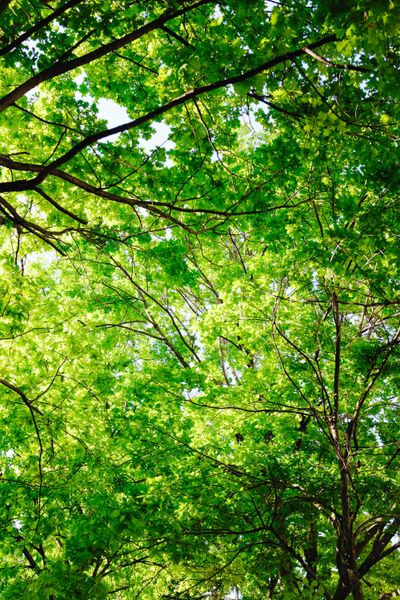
Trees with dense, unthinned canopies act like sails during high winds and storms. This creates enormous stress on the trunk and root system, increasing the risk of uprooting or major limb failure. Crown thinning reduces this wind sail effect by allowing gusts to pass through the branches instead of pushing against them. For homeowners in storm-prone areas, this single benefit can prevent thousands of dollars in property damage. Proper canopy management is one of the smartest investments you can make to protect your property.
A well-thinned tree looks graceful, balanced, and well cared for. The branching structure becomes visible, adding architectural interest to your landscape. This kind of thoughtful maintenance can significantly boost your property’s visual impact. In fact, many homeowners discover that strategic pruning is one of the best ways to improve curb appeal through tree trimming.
Professional arborists typically remove between 10 and 20 percent of the canopy during a single thinning session. Removing more than 25 percent at once can stress the tree, triggering excessive sucker growth and weakening the overall structure. The process begins with a thorough assessment of the tree’s health, species, age, and growth patterns.
During the thinning, the arborist targets specific types of branches for removal. These include dead or dying wood, branches that cross or rub against each other, water sprouts growing vertically from horizontal limbs, and co-dominant stems that create weak attachment points. Every cut is made just outside the branch collar to promote proper wound closure and minimize the risk of decay entering the trunk.
The professionals at Big Easy Tree Cutting’s crown thinning service follow industry best practices established by the International Society of Arboriculture, ensuring every cut supports the tree’s long-term health. Understanding why you should never top a tree helps illustrate why selective thinning is always the preferred approach.
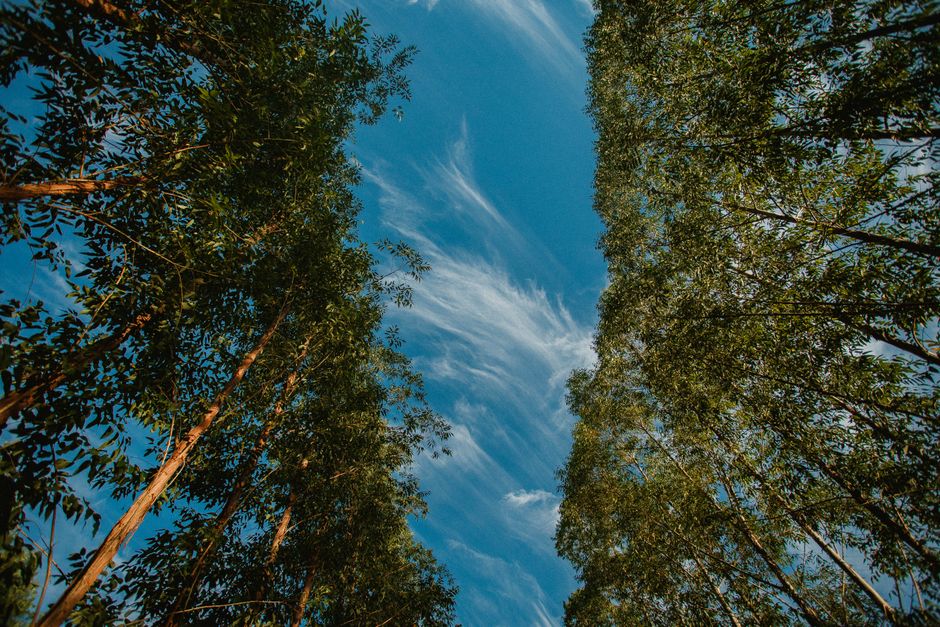
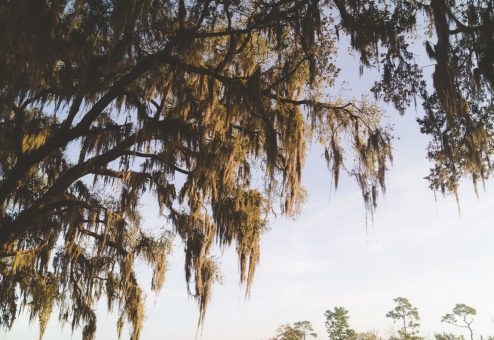
While nearly all deciduous trees respond well to crown thinning, certain species benefit more than others. Live oaks, with their broad spreading canopies, are excellent candidates because thinning helps reduce the weight on long horizontal limbs. Maples, elms, and ash trees also respond favorably, developing stronger branch structures after selective interior pruning. Fruit trees gain improved fruit production when sunlight can reach more of the canopy evenly.
Evergreen trees generally require less thinning, though some species like magnolias can benefit from occasional interior cleanup. The key is matching the technique to the species, which is why working with a qualified tree trimming professional is essential. They understand growth habits, wood strength, and how each species responds to pruning.
The best time to thin most trees is during the dormant season, typically late fall through early spring. During dormancy, the tree is not actively growing, which reduces stress and allows it to compartmentalize pruning wounds more effectively before the next growth flush. However, dead or hazardous branches can and should be removed at any time of year.
Knowing how often to trim your trees depends on the species and growing conditions, but most trees benefit from thinning every three to five years. Pairing crown thinning with seasonal pruning schedules ensures your trees receive consistent, well-timed care throughout their lifespan.
During the thinning process, you can expect a crew of trained arborists to work methodically through the canopy using hand saws, pole pruners, and sometimes climbing equipment. The work typically takes a few hours for a single tree, depending on its size and condition. All debris is usually chipped or hauled away as part of the service.
After thinning, your tree may look noticeably more open, but it should retain its natural shape and overall size. Over the following growing season, you will see healthier foliage, more uniform growth, and improved vigor. Combining crown thinning with proper tree fertilization can further support recovery and promote robust new growth in the seasons ahead.
If you are ready to improve the health and appearance of your trees, contact Big Easy Tree Cutting today or call 504-732-9714 to schedule a professional crown thinning consultation.
Crown thinning removes select interior branches to reduce canopy density without changing the tree’s overall size or shape. Crown reduction, on the other hand, shortens branches to decrease the height and spread of the canopy. Both are valid pruning techniques, but they serve different purposes and are used in different situations.
Certified arborists typically remove between 10 and 20 percent of the live canopy during a single thinning session. Removing more than 25 percent at once can cause excessive stress, leading to weak regrowth and potential decline. Spreading the work over multiple sessions is recommended for heavily overgrown trees.
When performed correctly by a trained professional, crown thinning does not damage the tree. Proper cuts made at the branch collar heal quickly and promote healthy compartmentalization. The risk of damage increases significantly when unqualified individuals perform the work or when too much material is removed at once.
Most trees benefit from crown thinning every three to five years, depending on the species, growth rate, and environmental conditions. Fast-growing species may need more frequent attention, while slower-growing trees can go longer between sessions. A professional assessment can determine the ideal schedule for your specific trees.
The dormant season, from late fall through early spring, is generally the best time for crown thinning. The tree is not actively growing during this period, which minimizes stress and reduces the risk of pest or disease entry through fresh cuts. Emergency removal of dead or hazardous branches can be done safely at any time.
Yes, crown thinning significantly reduces wind resistance by allowing air to pass through the canopy instead of pushing against it like a solid wall. This lowers the risk of branch failure, trunk splitting, and uprooting during high winds. It is one of the most effective preventive measures homeowners can take before storm season.
 By Admin
  Jul 12, 2026