

Call Us Now: 504-732-9714
Call Us Now: 504-732-9714

Tree removal on a construction site is a planning problem before it is a cutting problem. Which trees come out, which stay, how the ones that stay are protected, and what approvals apply all need settling before equipment arrives. Getting the sequence wrong creates delays, and damaging a tree you intended to keep is a mistake that shows up years after the project closes. Here is how the process works.
Before the site plan is final, walk the property and record what is there. For each tree of significance, note the species, approximate trunk diameter, condition, and position relative to the proposed footprint.
That inventory drives everything downstream. It tells you which trees are clearly inside the build area, which sit near enough to be affected by grading and traffic, and which are far enough away to be left alone. It also gives the design team something concrete to work with. Occasionally a small adjustment to a footprint saves a tree that would otherwise be a loss, and that trade is much easier to make on paper than after foundations are poured. Big Easy Tree Cutting can carry out this assessment as part of project planning.
Trees standing within the building footprint, in the path of required access, or over planned utility runs generally have to come out. Trees already in poor structural condition are usually better removed during construction than left to become a problem on a finished site.
Trees you intend to keep need active protection rather than good intentions. This is the group that gets damaged most often, because protection is treated as a formality instead of a requirement.
Trees on the edge of the disturbance area may survive or may decline, and they warrant attention during and after the project. Root damage often takes several seasons to appear, so a tree that looked fine at handover can fail later.
A tree protection zone is a fenced area around a tree that keeps equipment, material storage, and traffic away from the root zone. It works only if it is installed before any equipment arrives and stays up until the site is finished.
The critical point is that the damage happens underground, invisibly, and early. Soil compaction from a single pass of a loaded truck can reduce the pore space roots depend on for oxygen. Trenching through a root zone severs structural and absorbing roots at once. Stockpiling fill over roots smothers them. None of it looks like damage on the day it happens.
Practical measures include the following.
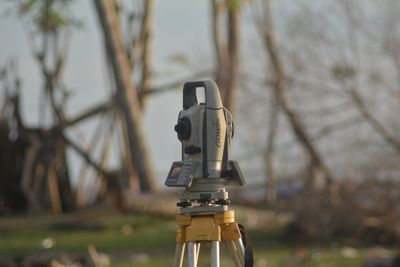
Construction-related tree work can involve requirements that do not apply to ordinary residential removal, and those requirements vary by jurisdiction and by where a tree stands. A tree in the public right of way is treated differently from one entirely within a private lot, and a project subject to site plan review may face conditions that a simple removal would not.
Because these rules change and depend on the specific property and project, confirm current requirements with the applicable city or parish department before finalizing a schedule rather than relying on general guidance or on what applied to a previous project. Requirements in Orleans Parish differ from those in Jefferson and St. Tammany.
Build the approval timeline into the project schedule rather than treating it as a formality at the end. Approvals affect the calendar more than the actual removal does. Our construction permitting service handles this process, and our overview of tree removal permits in New Orleans covers the background. Also confirm whether any replacement or mitigation planting is required as a condition, since that affects both budget and landscape design.
Order matters on a construction site. A workable sequence generally looks like this: complete the inventory and design, obtain any required approvals, install tree protection fencing, remove the trees scheduled for removal, grind stumps within the footprint, then mobilize for site work.
Removing trees before protection fencing goes up is a common and avoidable mistake, because the removal itself brings equipment onto the site. Grinding stumps inside the building footprint before excavation avoids finding them later. Stumps outside the footprint may be able to wait, though it is usually more efficient to handle them while equipment is on site. Our stump grinding service covers that work.
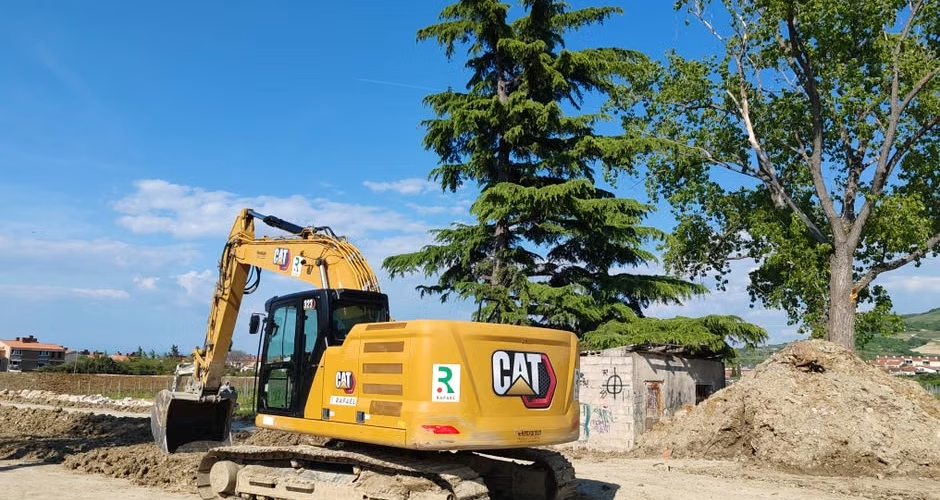
 By Admin
 Sep 22, 2026