Call Us Now: 504-732-9714
Call Us Now: 504-732-9714

Tree removal and property value have a more complicated relationship than most listings suggest. A healthy mature tree is generally an asset, and cutting one down can work against you. A hazardous, dying, or badly placed tree is a liability that shows up in inspections and buyer hesitation. This guide separates the situations where removal helps a property from the ones where it quietly costs you.
The default position among appraisers, landscape professionals, and most buyers is that established trees are desirable. They provide shade that reduces cooling load, they soften the look of a lot, they absorb stormwater, and in a city like New Orleans they are part of the character people are paying for. Removing a healthy specimen tree is usually a step backward.
That default has real exceptions. A tree can be structurally unsound, diseased beyond recovery, planted where it will always conflict with a building, or simply so oversized for its lot that it dominates and darkens the property. In those cases removal is the improvement. The useful question is not whether trees add value in general, but whether this particular tree on this particular lot is helping or hurting. Big Easy Tree Cutting can walk a property with you and give a straight answer.
A tree with significant decay, a compromised root plate, or major structural defects near a house is a problem a buyer’s inspector will flag. Buyers respond to that by asking for a credit, requesting removal before closing, or walking. Handling it in advance removes a negotiating lever and a source of anxiety. The signs to look for are covered in our guide on knowing when a tree needs to be removed.
Limbs on the roof, roots lifting a driveway, and a trunk crowding a foundation all read as deferred maintenance. Where the conflict can be solved by pruning, prune. Where the tree will keep growing back into the problem year after year, removal ends a recurring cost that a careful buyer will notice.
Deep shade from a dense canopy can make a lawn impossible to grow and a backyard uninviting. Buyers with children or pets look at usable outdoor space directly. Thinning the canopy is the first option, and removal makes sense when a tree is simply too large for the lot it sits on.
A dead tree contributes nothing and signals neglect. It is also the easiest item on any inspection report to act on. Removing it and grinding the stump is straightforward work with a visible result.
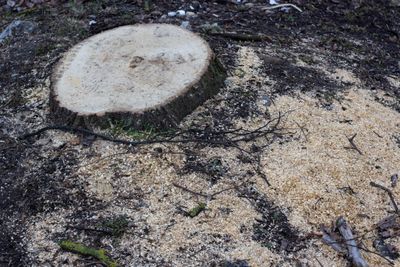
Cutting down a large, healthy, well-formed tree because it drops leaves is a decision people regret. Shade takes decades to replace, and the difference between a shaded and an unshaded lot is noticeable to anyone walking the property in a Louisiana August.
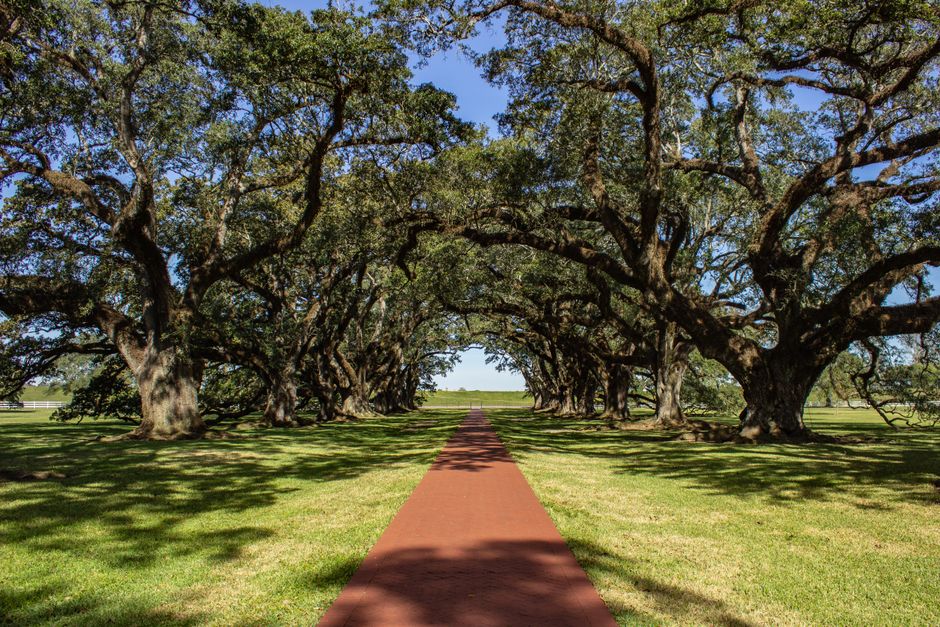
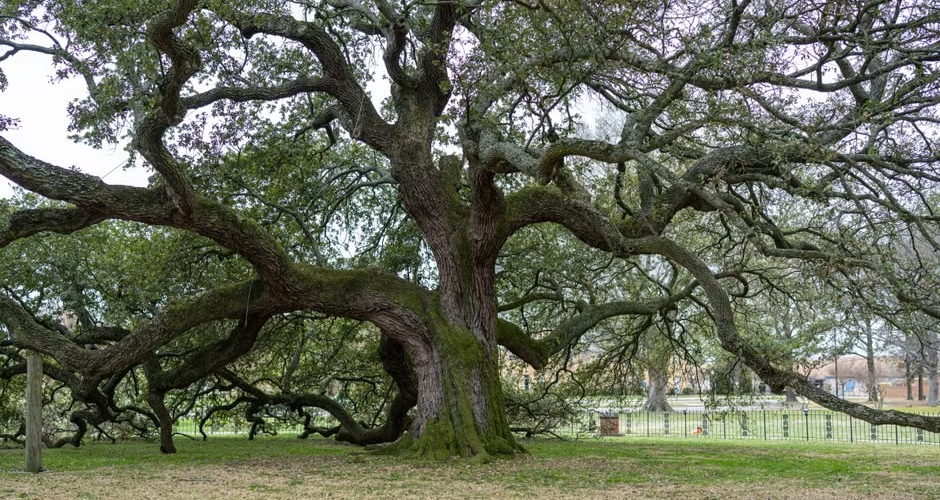
Be especially cautious in neighborhoods where mature canopy is part of the streetscape. In areas built around live oaks, a bare lot stands out in a way that does not favor the seller. Local rules may also apply to trees in the public right of way or those covered by a specific ordinance, and requirements vary by jurisdiction and by where the tree stands. Confirm with the applicable city or parish department before removing anything you are unsure about.
A removal that leaves a stump behind trades one eyesore for another. Buyers read a stump as an unfinished project, and a mowing crew reads it as an obstacle. Grinding it turns the spot back into usable ground and lets you plant grass or a bed over it.
The same applies to cleanup. Ruts in the lawn, chips piled against a fence, and a scarred bed all undercut the improvement you just paid for. Ask what the cleanup scope includes before work starts. Our stump grinding service handles the follow-through, and our post on why stump grinding matters for a safe and attractive yard covers why it is worth doing.
Before removing anything, consider whether a smaller intervention gets you most of the result.
Pruning is generally less expensive than removal and often produces the bigger visual change. Our post on tree trimming for curb appeal covers what that work does to how a property presents, and fertilization is worth considering for trees that are declining rather than failing.
If you are preparing to list, do tree work early enough that the yard has time to recover. Fresh chips, disturbed soil, and a bare patch where a stump was ground all photograph poorly. Giving the grass a few weeks to fill in makes a noticeable difference in listing images.
Keep documentation as well. An invoice showing a hazardous tree was removed by a professional answers the inspection question directly and reassures a buyer more than a verbal explanation. If a tree came down in a storm, our guide on emergency tree removal in Louisiana covers the documentation worth keeping.
The most valuable thing a good arborist offers on this question is a willingness to tell you the tree should stay. We would rather prune a tree that can be saved than remove one that did not need to come down. See examples of our work in the project gallery, and check our service area page for the communities we cover.
For tree removal, tree trimming, or an assessment before you decide, contact Big Easy Tree Cutting or call 504-732-9714.
No. Healthy mature trees are generally considered an asset, and removing one can work against a property, particularly in neighborhoods where established canopy is part of the character. Removal tends to help when the tree is hazardous, dead, in conflict with the structure, or so oversized for the lot that it makes the yard unusable. The outcome depends on the specific tree and property rather than on removal in general.
Trees with obvious defects near a structure are frequently noted, though the depth of the observation varies by inspector and scope of the inspection. Buyers often respond by requesting removal before closing or asking for a credit. Addressing a known hazard in advance removes that item from the negotiation.
Grinding is generally worth it. A remaining stump reads as an unfinished project, gets in the way of mowing, and can attract insects over time. Grinding restores usable ground and lets you seed grass or plant over the spot before listing photos are taken.
Frequently, yes. Thinning a canopy, lifting lower limbs, and clearing dead wood can transform how a property looks while keeping the shade and the mature character. Pruning is typically less costly than removal and reversible in the sense that the tree is still there if you change your mind about the space.
Enough time for the yard to recover, which generally means a few weeks at minimum. Fresh wood chips, disturbed soil, and a bare patch where a stump was ground all look raw in photographs. Scheduling the work well ahead of listing photos gives grass and beds a chance to fill in.
It depends on your jurisdiction and on where the tree stands. Trees in the public right of way, under a utility easement, or covered by a specific local ordinance may be treated differently from trees entirely within private property, and requirements vary between parishes. Confirm current requirements with the applicable city or parish department before scheduling work.
 By Admin
  Aug 15, 2026