 By Admin
  Jul 18, 2026
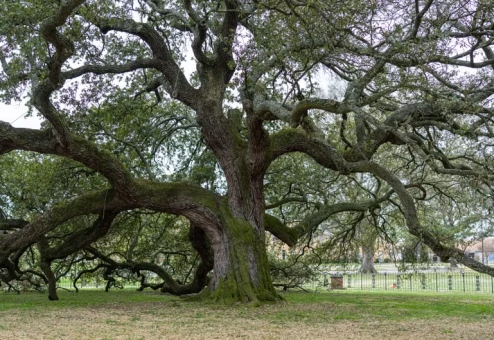
 Tree canopy management is the deliberate, systematic practice of controlling a tree’s above-ground crown structure through targeted pruning techniques including thinning, lifting, reduction, and deadwooding. In New Orleans, where live oaks, Southern magnolias, and bald cypresses create enormous, fast-growing canopies in a subtropical climate, proper canopy management is one of the most important steps a property owner can take to protect their home from storm damage and keep their landscape safe year-round. When performed by a trained arborist before hurricane season and on a consistent maintenance schedule, it is one of the highest-return investments in any New Orleans property.
What Is the Tree Canopy and Why Does It Matter in New Orleans?
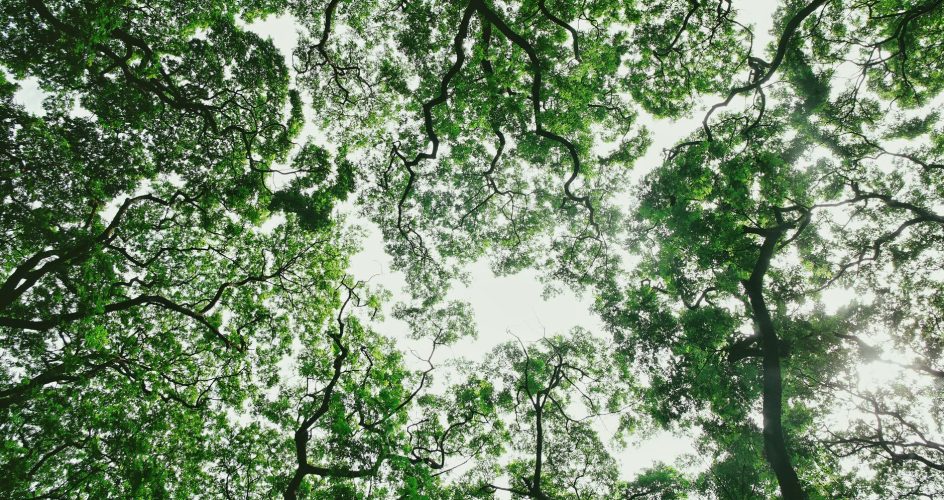
The canopy is the uppermost layer of a tree: the full spread of branches, stems, and foliage above the trunk. It is where virtually all of a tree’s photosynthesis happens, converting sunlight into the sugars that fuel growth from the root zone up through the tips of every branch. The canopy also defines how a tree interacts with everything around it. Its spread determines canopy cover over your lawn, roof, driveway, and utility lines. Its density controls how much light and rain reach the ground beneath the drip line, the outer circle where roots typically extend. And its weight distribution determines how the tree performs in high wind.
In New Orleans, these dynamics are heightened by three local realities. First, the city’s subtropical climate means trees never truly go dormant. Live oaks, bald cypresses, and Southern magnolias grow vigorously for most of the year, producing dense canopies that can become dangerously heavy before hurricane season arrives in June. Second, the City of New Orleans Urban Forestry program recognizes the city’s tree canopy as a critical municipal asset, managing thousands of street trees precisely because an unmanaged canopy is both a safety hazard and a community liability. Third, New Orleans soil conditions, including high moisture and shallow root zones common in low-lying areas, mean that an oversized canopy can destabilize even a large, mature tree. That is why the team at Big Easy Tree Cutting treats canopy care as a core part of responsible property ownership across the Greater New Orleans area, not an optional service.
Understanding the canopy also means understanding what managing it actually involves. Canopy management is not simply cutting branches back to make a tree look smaller. It is a set of targeted arborist techniques, each with a specific purpose, each applied at the right time to achieve a precise outcome. Learn more about the full scope of what this work entails on our dedicated canopy management service page.
The Four Core Techniques of Canopy Management
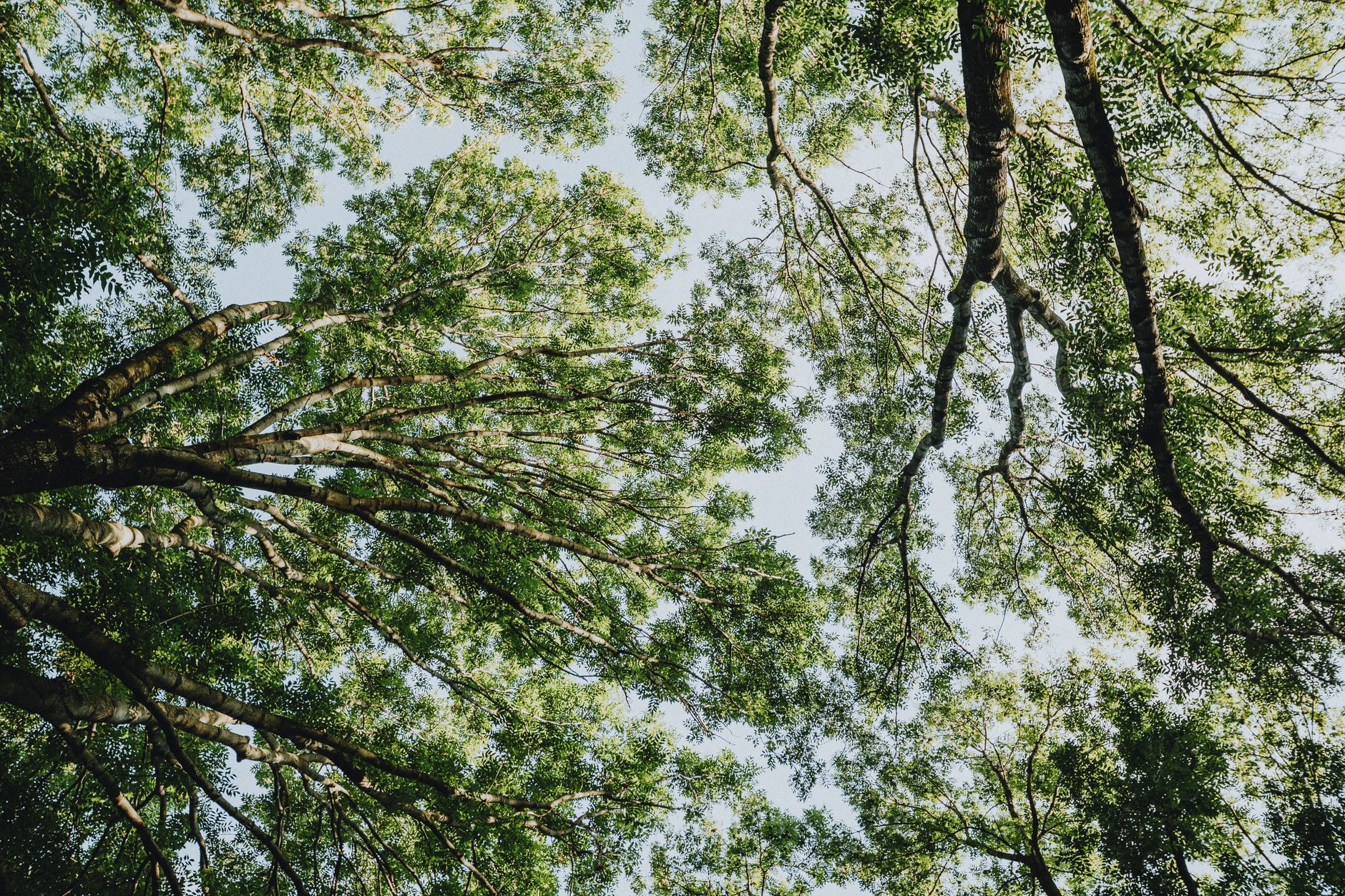
A qualified arborist does not treat every tree the same way. The right combination of techniques depends on the tree’s species, age, current structure, location, and the specific goals of the property owner. In New Orleans, species-specific knowledge matters enormously: a live oak behaves very differently from a pecan tree, and a Southern magnolia responds to pruning differently than a bald cypress. That said, most canopy management work draws from four primary approaches.
Canopy Thinning
Crown thinning involves selectively removing interior branches to reduce the density of the canopy without changing its overall shape or size. The goal is to open the structure so that light can penetrate, air can circulate freely, and the remaining branches are stronger. For New Orleans property owners, the most critical benefit of canopy thinning is wind load reduction. A dense, unpruned canopy acts like a sail during a tropical storm or hurricane, catching wind and transferring enormous lateral force down through the trunk and into the root zone. Thinning breaks up that solid wall of foliage, allowing wind to pass through rather than push against the canopy as a unit. This single technique, done consistently each spring before hurricane season, significantly reduces the chance of catastrophic branch failure or full tree loss during a named storm. Thinning also improves air circulation, which in New Orleans’ humid climate reduces the humidity trapped within the canopy and discourages the fungal diseases and moss buildup common on live oaks and magnolias throughout the region.
Canopy Lift (Crown Raising)

A canopy lift, also called crown raising, focuses on the lower portion of the tree. It removes the lowest branches to increase vertical clearance between the ground and the base of the canopy. In New Orleans neighborhoods, this technique addresses several practical concerns specific to the city. Low-hanging live oak limbs over sidewalks and streets are one of the most common complaints the City of New Orleans Urban Forestry program receives, and property owners with trees on or near the public right-of-way have a responsibility to maintain safe clearance. A canopy lift also improves sightlines around a property, which directly benefits security, particularly in residential areas where dense low canopy can create concealed spaces along fences and entry points. For homeowners who want to grow Louisiana-suited understory plants, including Confederate jasmine, Louisiana irises, or native ferns, under large trees, a canopy lift is often the step that allows enough light to reach the ground for those plants to thrive.
Canopy Reduction
Crown reduction reduces the overall size of the canopy by shortening branch lengths back to strong lateral branches capable of assuming a terminal role. Unlike topping, which makes random, damaging cuts, canopy reduction follows the tree’s natural branching structure and is a recognized technique in professional arboriculture. In New Orleans, canopy reduction is often the right solution for large pecan trees or magnolias that have grown into contact with a structure, for live oaks whose canopy extends over a neighbor’s roofline, or for any tree whose overall weight has become disproportionate to its root zone, a particular concern in the saturated soils common throughout Orleans and Jefferson Parishes. A well-executed reduction preserves the tree’s natural form, keeps it vigorous, and brings it back into a safe size relationship with its surroundings before the next storm season.
Deadwooding
Deadwooding is the removal of dead, dying, diseased, or structurally compromised branches from throughout the canopy. Dead wood does not shed cleanly in a storm the way live wood does. It snaps, drops unexpectedly, and lands on roofs, fences, vehicles, and people. In New Orleans, where afternoon thunderstorms are common from spring through fall and where a tropical system can arrive with little warning, dead branches in the canopy are a genuine liability. Deadwooding should be part of every routine canopy management visit and should be performed immediately when hazard branches are identified, regardless of the season or the last maintenance date. It also allows the tree to redirect energy toward healthy growth.
For a broader look at how these techniques fit into an overall maintenance plan, our guide on tree trimming services covers the full picture.
How Canopy Management Protects Your New Orleans Property
The most direct benefit of consistent canopy management is storm risk reduction, and in New Orleans that benefit is not abstract. A tree with a dense, unmanaged canopy acts like a sail in tropical-force wind. The larger and heavier the canopy relative to the tree’s structural anchoring, the more likely a strong gust is to cause a catastrophic failure. Thinning reduces that sail effect, canopy reduction brings the crown into proportion with the root zone, and deadwooding eliminates the weak points most likely to fail first.
Beyond hurricane preparedness, there are several other measurable ways canopy management protects and improves a New Orleans property:
- Roof and structure protection: Branches overhanging a roof shed debris, trap moisture against shingles, and can cause direct impact damage in a storm. New Orleans homes, many of them historic and with older roofing, are particularly vulnerable. A canopy lift or targeted reduction keeps branches at a safe clearance distance from any structure.
- Improved light and garden health: An overly dense live oak or magnolia canopy creates deep shade that prevents Louisiana-native understory plants from thriving and leaves portions of a yard permanently damp, encouraging mold and pest activity. Canopy thinning restores light without sacrificing the tree’s shade value on hot New Orleans afternoons.
- Root zone balance: A properly proportioned canopy is in balance with the tree’s root system. In the high-moisture, clay-heavy soils found throughout much of Greater New Orleans, this balance is critical. An oversized canopy increases the chance of wind-throw, where a storm tips the entire root plate out of the ground. Canopy reduction keeps this ratio in check.
- Property value and curb appeal: A well-shaped tree with a clean, open canopy is a landscape asset. An overgrown, cluttered crown reads as deferred maintenance and can affect how a property is perceived and valued. Our post on Tree Trimming and Curb Appeal explores this connection in more detail.
- Utility line clearance: Branches in contact with power lines are a fire and outage risk throughout New Orleans neighborhoods. Regular clearance pruning keeps the canopy safely clear of overhead utilities without requiring costly emergency removal after a storm.
The cumulative effect of these benefits is a property that is safer, more attractive, and lower-maintenance over time. You can read more about these advantages in our article on the 8 Benefits of Regular Tree Trimming.
When and How Often Should You Manage the Canopy in New Orleans?
New Orleans’ subtropical climate means canopy management is a year-round consideration, not a once-a-season task. Unlike trees in temperate climates that slow dramatically in winter, live oaks, magnolias, and many other common New Orleans species continue pushing new growth through most of the year. This means that a canopy thinned in January can be meaningfully denser by April if the tree is vigorous, and hurricane season begins June 1.
Most mature trees in the Greater New Orleans area benefit from a professional canopy inspection and maintenance visit at least once per year, with the most critical window being late winter through early spring, giving arborists time to complete thinning, reduction, and deadwooding before the peak of hurricane season. Trees close to structures, utility lines, or high-traffic areas often warrant a second visit in late summer or fall. Young trees still developing their branch structure may need more frequent attention to train the canopy into a safe, balanced form before they reach full size.
There are also situations that call for immediate attention regardless of where you are in the calendar: after any named storm passes through the area, when you notice dead or hanging branches, when a branch has grown into contact with your roof or a power line, or when you see signs of decay or structural weakness in the canopy. Our guide on the Best Time to Trim Trees in New Orleans goes deeper on local timing considerations, and our breakdown of Tree Trimming vs. Pruning clarifies the difference between general maintenance and precision structural work.
Big Easy Tree Cutting serves homeowners and commercial property owners throughout New Orleans and the Greater New Orleans area, including Metairie, Kenner, Gretna, Chalmette, and surrounding communities. You can view our full service area to confirm we cover your location.
Let Big Easy Tree Cutting Manage Your New Orleans Canopy
Proper tree canopy management in New Orleans takes trained eyes, the right equipment, and a genuine understanding of how the city’s trees grow, how local storms behave, and how subtropical conditions affect canopy health year-round. At Big Easy Tree Cutting, our arborists work throughout New Orleans and the Greater New Orleans area providing canopy thinning, canopy lift, crown reduction, deadwooding, and full canopy evaluations for residential and commercial properties. We offer free estimates so you know exactly what your trees need and what the work will involve before any commitment is made.
Call us at (504) 732-9714 or visit our contact page to schedule your free canopy evaluation today.
Frequently Asked Questions About Tree Canopy Management
What is tree canopy management?
Tree canopy management is the professional practice of controlling the structure, density, and size of a tree’s crown through techniques like thinning, lifting, reduction, and deadwooding. It is carried out by trained arborists to improve tree health, reduce hazards, and maintain a safe relationship between the tree and surrounding structures. In New Orleans, it is especially important for managing large live oaks, Southern magnolias, and pecan trees before hurricane season each year.
Why is canopy management especially important in New Orleans?
New Orleans sits in a subtropical climate where trees grow year-round and hurricane season runs from June through November, meaning dense, unmanaged canopies face regular exposure to tropical-force winds. The city’s high-moisture soils also create shallower root zones for many trees, making an oversized canopy a destabilizing factor. The City of New Orleans Urban Forestry program actively manages street trees for exactly these reasons, and private property owners should follow the same proactive approach for trees on their lots.
How often should canopy management be done in New Orleans?
Most mature trees in the Greater New Orleans area benefit from at least one professional canopy maintenance visit per year, ideally completed in late winter or early spring before hurricane season begins in June. Trees close to structures, utility lines, or in high-traffic areas often warrant a second visit in fall. Because New Orleans trees grow year-round in the subtropical climate, waiting more than a year between visits can allow the canopy to reach a size that increases storm risk significantly.
Does canopy thinning hurt the tree?
When done correctly by a qualified arborist, canopy thinning does not harm the tree and typically improves its long-term health by increasing air circulation, reducing disease risk, and improving light distribution through the canopy. In New Orleans’ humid climate, thinning also reduces the moisture trapped within the canopy that contributes to fungal disease and moss buildup on live oaks and magnolias. Problems arise only when too much is removed at once or when cuts are made incorrectly, which is why professional execution matters.
What is a canopy lift and when is it needed?
A canopy lift, also called crown raising, is the removal of the lowest branches on a tree to increase ground-level clearance beneath the canopy. In New Orleans, it is commonly needed when live oak or magnolia limbs are brushing a roofline, creating hazards over sidewalks and driveways, blocking sightlines for security, or preventing enough light from reaching the ground for Louisiana-native understory plants to grow. A proper lift performed by an arborist preserves the tree’s upper structure and overall form while solving the clearance problem at the base.